

Without reading the synopsis, some might assume it’s a musical. It’s a valid assumption, seeing how it opens with Colman Domingo hamming it up with a monologue, dressed like royalty and bathed in lights. As the curtain closes, though, we immediately learn the real deal. Sing Sing actually pertains to the Sing Sing Correctional Facility in Ossining, New York. That much is confirmed as they queue up to return to their respective cells. Nobody bursts into song in this film, thus quashing any notion that the title holds double meaning.
Directed by Greg Kwedar, who also co-wrote the screenplay with Clint Bentley, this A24 prison drama re-tells the true story of John “Divine G” Whitfield, an ill-convicted inmate who finds purpose through Rehabilitation Through the Arts (RTA). Founded in 1996, the program gathers incarcerated men with the aim of reforming them through the arts. This includes makeshift theater productions held every six months, which Divine G staunchly supports. It’s his primary mission to cultivate the group, apart from trying to prove his innocence. Of course, expect the always-captivating Domingo to bare his soul through it all – way to follow through his groundbreaking turn in Rustin.
Joining Domingo is his real-life buddy Sean San José as Mike Mike, Divine G’s closest confidante and occupant of the cell next door. Also lending strong support is The Sound of Metal’s Paul Raci as Brent Buell. As the troupe’s mentor, his grounding presence proves vital as they prepare to transition to comedy.
Outside of those actors, the film’s as authentic as it gets. Real-life RTA participants play themselves. And, while we’re at it, those are their actual screen tests used in the audition montage. Leading that pack is Clarence “Divine Eye” Maclin, who himself served 10 years before co-writing the story and co-executive producing the film. Here, he appears as Divine G’s reluctant recruit-turned-rival. The Divines don’t start off well, with G admonishing Eye for using the N-word, preferring instead to use the code “beloved”. Eventually, a bond does form between the two despite their initial differences.
As a straightforward story with no frills, Sing Sing, understandably, hardly soar soars, choosing instead to have its viewers immerse through the intimate exchanges and quiet moments. It’s the sincere performances that keep us hooked through the simplistic and, occasionally, routine execution. More stock is placed on slow burn realizations, which is where the film packs its punch.
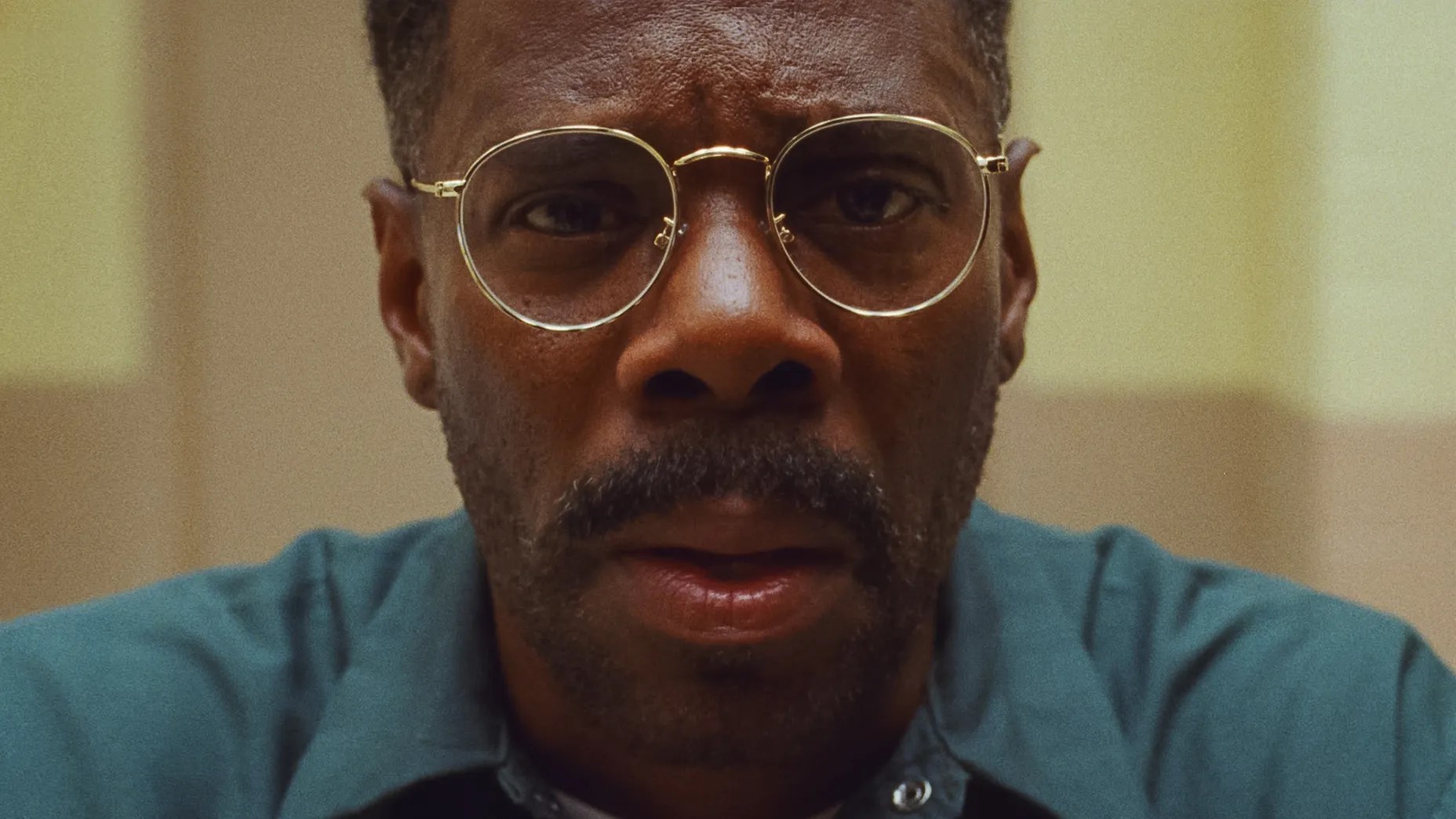
It only truly escalates when tragedy strikes. This sends Divine G to an existential crisis, further aggravated by his impending clemency hearing. As he approaches breaking point, he starts questioning the spiritual freedom art seeks to provide. At the end of the day, he’s still behind bars. Based on the real Divine G’s degree of involvement, however, one can already draw conclusions. That’s him seeking an autograph from his fictional counterpart early on. Consider that proof of life.
The film ends on a jubilant note with “Like A Bird”, written and performed by Abraham Alexander and Adrian Quesada. In a film that cleverly avoids melodrama, the song provides as much emotional base as Domingo’s uplifting performance. It almost makes one wish they interspersed it halfway, rather than saving it for the closing credits. Then again, low-key is ultimately the way to go for Sing Sing, a film that suffers – but also benefits – from its over-simplicity.

 Planet Chuckie