

In case you missed it, Miss World is no longer a pageant. Come to think of it, they’ve even quietly retired the word “contest”. Now that “festival” is the operative word, the 72nd edition gave just as much platform to culture and spectacle, as evidenced by the vibrant intermission numbers and stellar guests. The most noteworthy of which were Bollywood sensations Ishaan Khatter and Sri Lankan-born Jacqueline Fernandez, herself a former beauty queen. The actor, Sonu Sood, who sat as judge, was also later presented with a Humanitarian Award.
It’s the second consecutive Indian staging, but the first in the state of Telangana – more specifically, in Hyderabad’s HITEX Exhibition Centre. It was an opportune change, given the ongoing tensions near the border, the very reason Universal Woman was postponed. Thankfully, the festivities went on without a hitch, save for a British candidate being replaced midway, but that’s another story. Excelling as hosts were pageant mainstay Sachin Kumbar and, for the first time, Miss World 2016 Stephanie del Valle, who’s more than clearly made amends with the system.
Of course, no amount of rebranding can taint the obvious: it’s still a competition, even if the program flow hardly felt like it. The powers-that-be still had to choose one. This year, 108 ladies from four continental groups vied for that coveted post. It’s not exactly a record number, but still within recent average.
There’s been much criticism over the format in recent years, particularly the rate in which the roster is whittled down. For example, how do they manage to make the cut from 40 to 20 to 12 in a span of minutes? It makes one wonder if any judging happens at all. Then again, it’s possible that most of the scoring happened before the big night. And what we’re presented with are the final results. Once the group is pared to eight, only then do they have room to reevaluate or reassess. But, that’s just one guess.

The last edition emphasized that the Challenges are but special shortcuts, nothing more. So, unless an entrant wins an event, multiple placements no longer guarantee a high finish, and neither does persistent online hype. Same case applied again this year, and once again, the shocks were aplenty. Here’s how the competition unfolded per continent.

NEW WORLD SURPRISES. The American and Caribbean selections proved most unpredictable, with Mexico’s Marialy Leal and Venezuela’s Valeria Cannavo taking the fall and early favorites Chile, Peru, and Nicaragua completely ignored. Also missing were Emma Morrison, Canada’s first Miss World candidate of indigenous descent and the BWAP qualifier from Paraguay, Yanina Gomez.
In their stead were jaw-dropping surprises like Karol Rodriguez, who scored Panama’s first placement since 2018, and Jamaica’s Tahje Bennett who finally ended the post-Toni Ann Singh drought. Haiti’s Christee Guirand was thought to be at an extreme disadvantage, due to her lack of sponsorship. But then again, maybe it was her very tenacity, which moved the judges. It was a timely feat, given it’s been 50 years since her country’s debut placement. In the process, history was also made for the island of Hispaniola, as Dominican Republic’s Mayra Delgado, also made it through via Multimedia. Alsofast-trackedis Head to Head winner, Trinidad and Tobago’s Anna-Lise Nanton, who could have made a play for the Top 20. Yet, surprisingly, it was a dark horse who advanced instead.

The subregions were well-represented in the Top 20. Second in South America was Argentina’s Guadalupe Palomar, ignored at first, but look how far she got. Joining her were the United States’ Athenna Crosby, the highest placer from North America, and Puerto Rico’s Valerie Perez, who fell shortof topping the Caribbean.

With most of the Latin stalwarts out of the way, it’s a miracle Brazil’s Jessica Pedroso even salvaged her hype. During her Top Eight interview, the English teacher pulled the “unity in diversity” card, saying she not just represents her purpose, but also that of her “sisters”. Well, the response earned her Miss World Americas, all right, and, mind you, it’s a back-to-back for Brazil. The only catch is, just like last year, it was the Caribbean girl who topped the group.
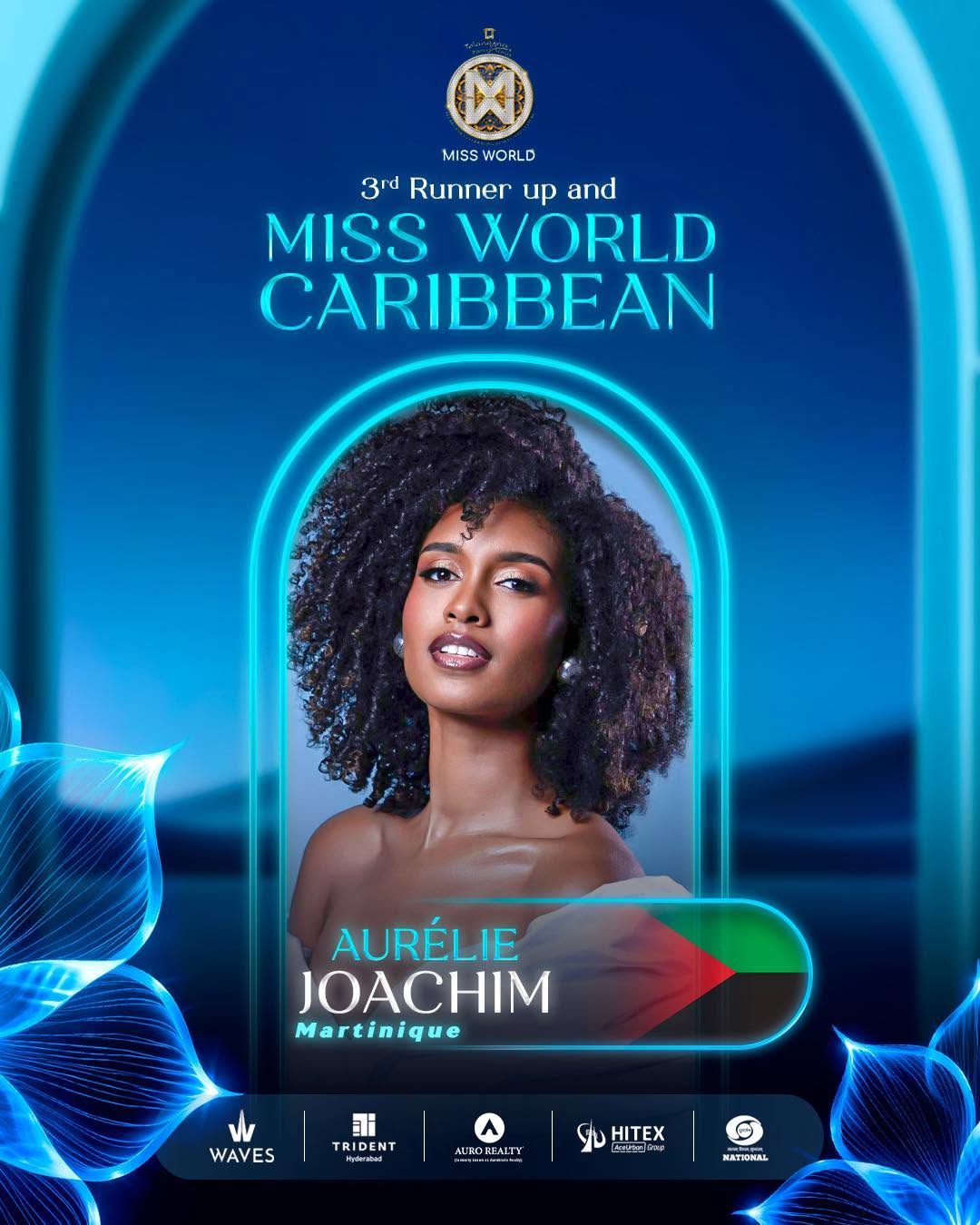
Securing a back-to-back Top Model win for Martinique was already historic in itself. But that wasn’t the only milestone in store for Aurelie Joachim. In winning Miss World Caribbean, she was also 3rd Runner-Up. It’s now the best-ever finish for her sash, and the second best by a Martinican, after 1998’s Veronoque Caloc, who competed as a French. Now, if only Metropolitan France experienced the same fortunes.
EURO SHAKE-UPS. Somehow, there was an inkling that this wouldn’t be Europe’s year. What we didn’t foresee were the shake-ups that would cause the early shutout of Czech Republic’s Adela Štroffekova, Spain’s Corina Mrazek, and, most glaringly, France’s Agathe Cauet, the Iris Mittanaere dead-ringer who won hearts in Head-to-Head.
On the upside, the likes of Northern Ireland’s Hannah Johns and Belgium’s Karen Jansen did pass muster, together with Sports winner Eliise Randmaa, thereby ending Estonia’s 25-year drought. Making history were the two remaining remnants of Yugoslavia, which for three straight years, competed as a joint nation. There was Aleksandra Rutović pulling a surprise for Serbia and Multimedia winner Andrea Nikolić scoring a breakthrough for Montenegro.

Italy’s Chiara Esposito was the biggest European surprise. By breaking the Top 20, she secured her country’s best showing since 2013. Wales’ Millie-Mae Adams was the last Head to Head winner standing. And after the Miss England conundrum, it was welcome consolation for the Brits. If only the same could be said about the neighboring island, because, in another unprecedented turn, Ireland’s Jasmine Gerhardt ended her journey here. That left two dark horses in the running for Europe.
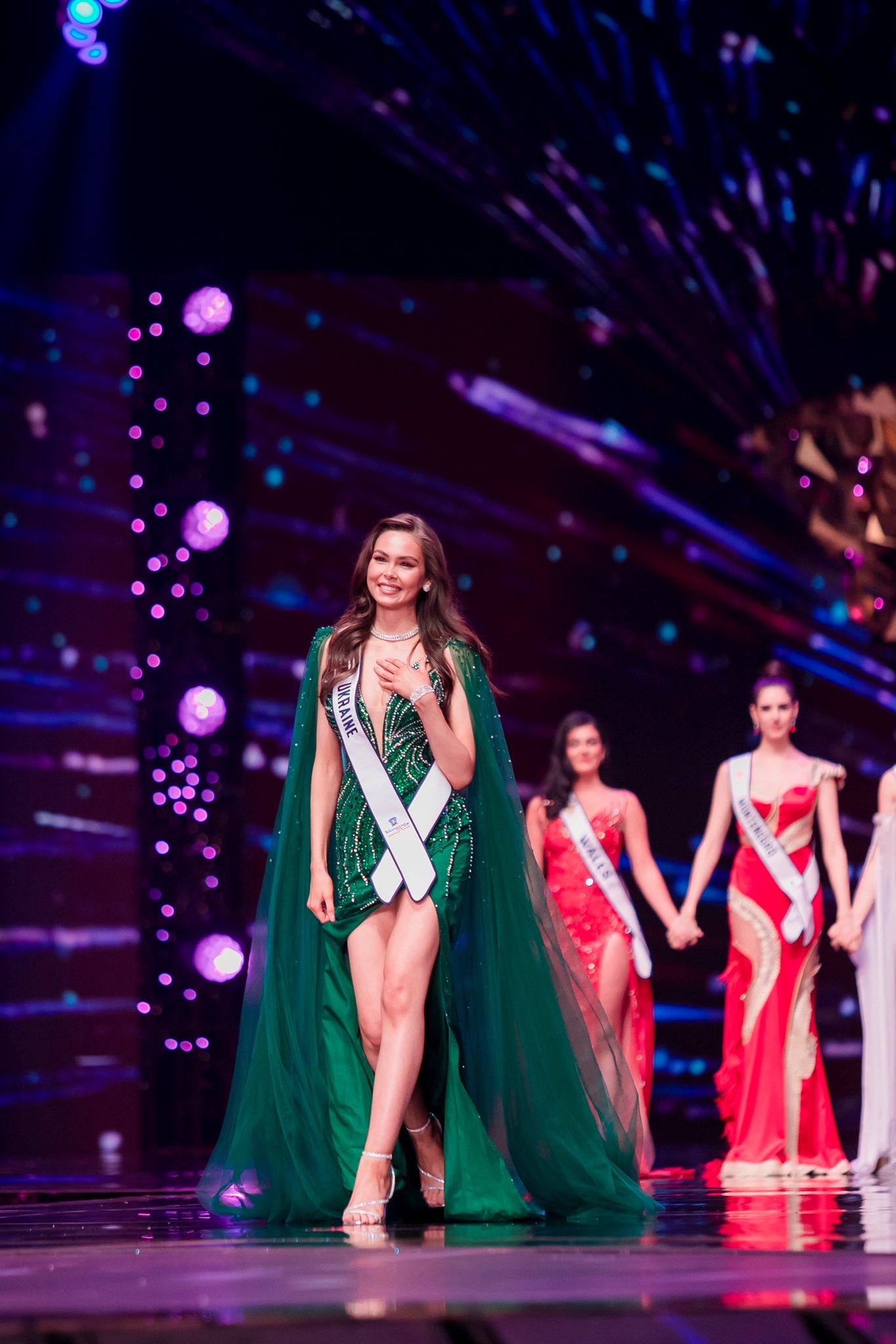
It’s refreshing to see Ukraine’s Maria Melnychenko parlay her Designer Dress win into an actual stellar finish. With her Top Eight placement, it’s now her country’s best showing since 2008. Moreover, it’s their best major finish since the invasion began. She brought hope, even if she ultimately had to yield to her neighbor.
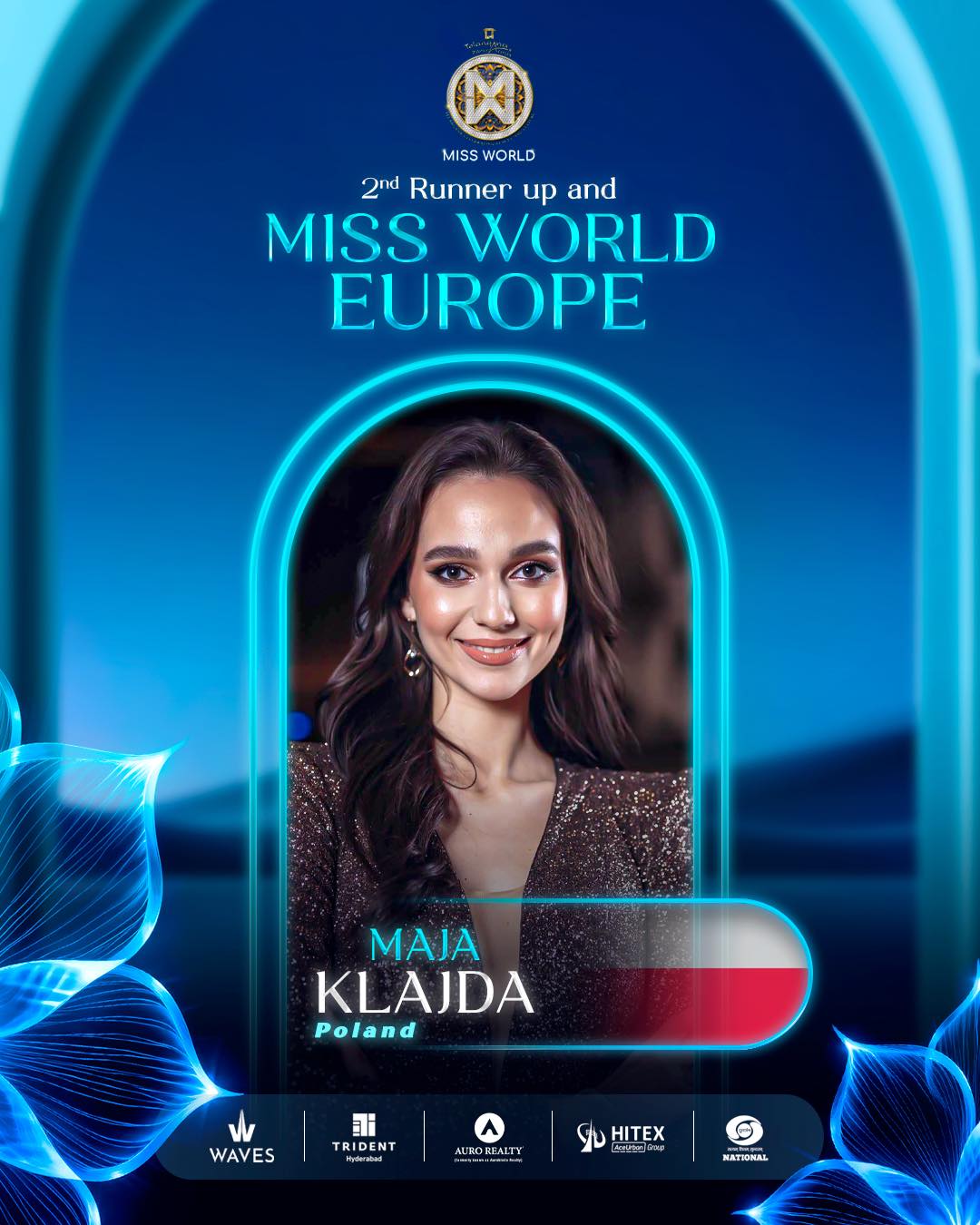
At the minimum, Maja Kladja was expected to put her Poland back in contention for the first time since Karolina Biewalska’s win. But then, the psychology student exuded a sincere radiance mere photographs couldn’t capture. It was more evident when she spoke and, accordingly, she was awarded Miss World Europe and 2nd Runner-Up – now her country’s best non-winning placement to date.
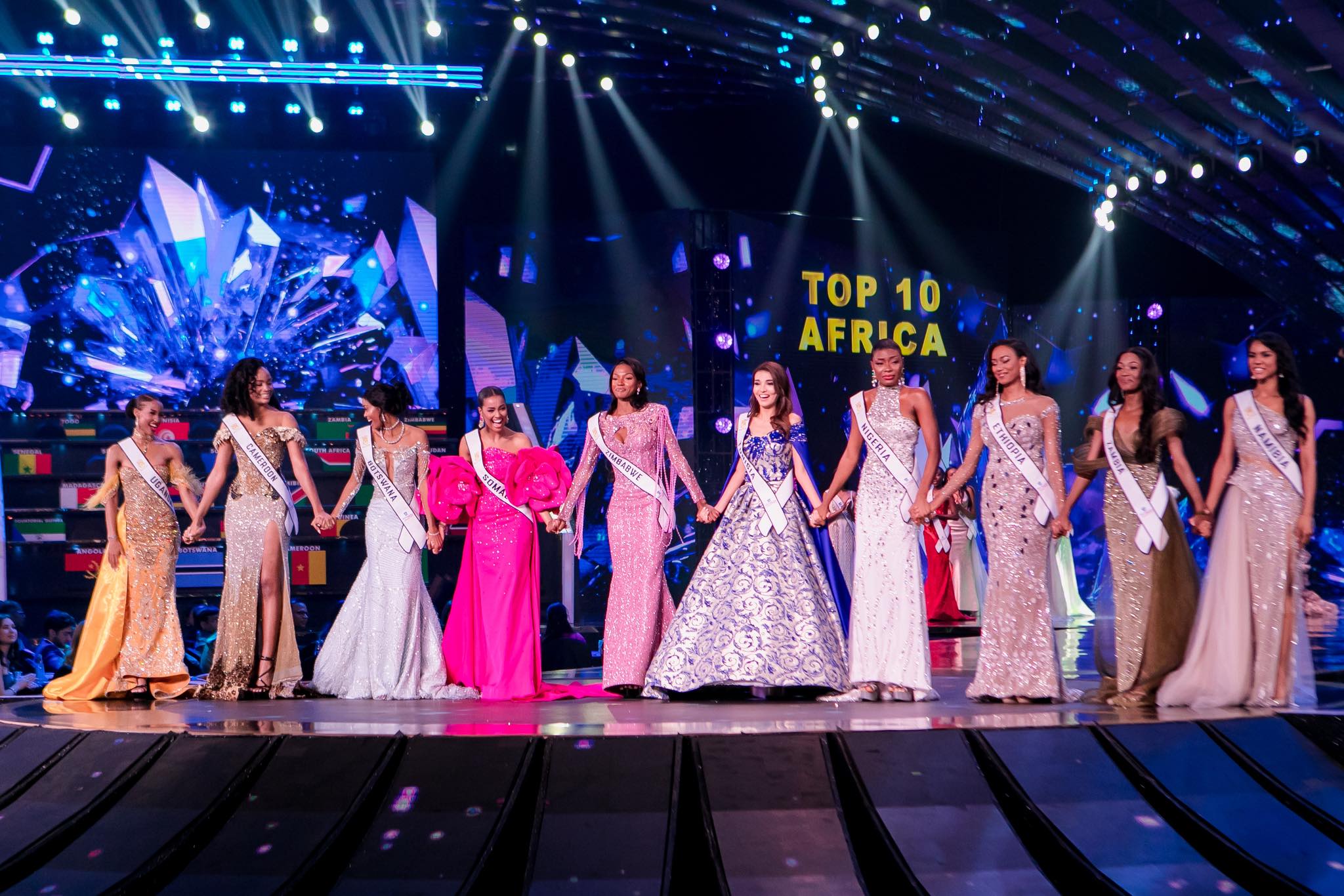
AN UNDERDOG WINS FOR AFRICA. After dominating the previous edition, it was another strong year for Africa. But it wasn’t without its share of shockers. Sierra Leone’s Lachaeveh Davies’ wasn’t propelled by her BWAP placement, while Cote d’Ivoire’s Fatoumata Coulibaly didn’t stand out as much as she did in early photos. The most unprecedented early ouster, however, was South Africa’s Zoalise Jansen van Rensburg, who, despite visible rawness, was still unanimously expected to endure. It was devastating, given her early status as crown favorite. Whether it’s a sign of standards evolving anew or a mere matter of Indian preference remains to be seen. But, boy, were we misled again.
In her place was Faith Bwalye earning Zambia’s first ever placement through her Head to Head win. While maintaining their respective countries’ streaks were Botswana’s Anicia Gaothusi, Zimbabwe’s Courtney Jongwe, and Uganda’s BWAP winner Natasha Nyonyozi, who could have had a shot for Continental Queen. Same can be said for Head-to-Head show-stealer, Somalia’s Zainab Jama, who now has a Netflix documentary coming out.
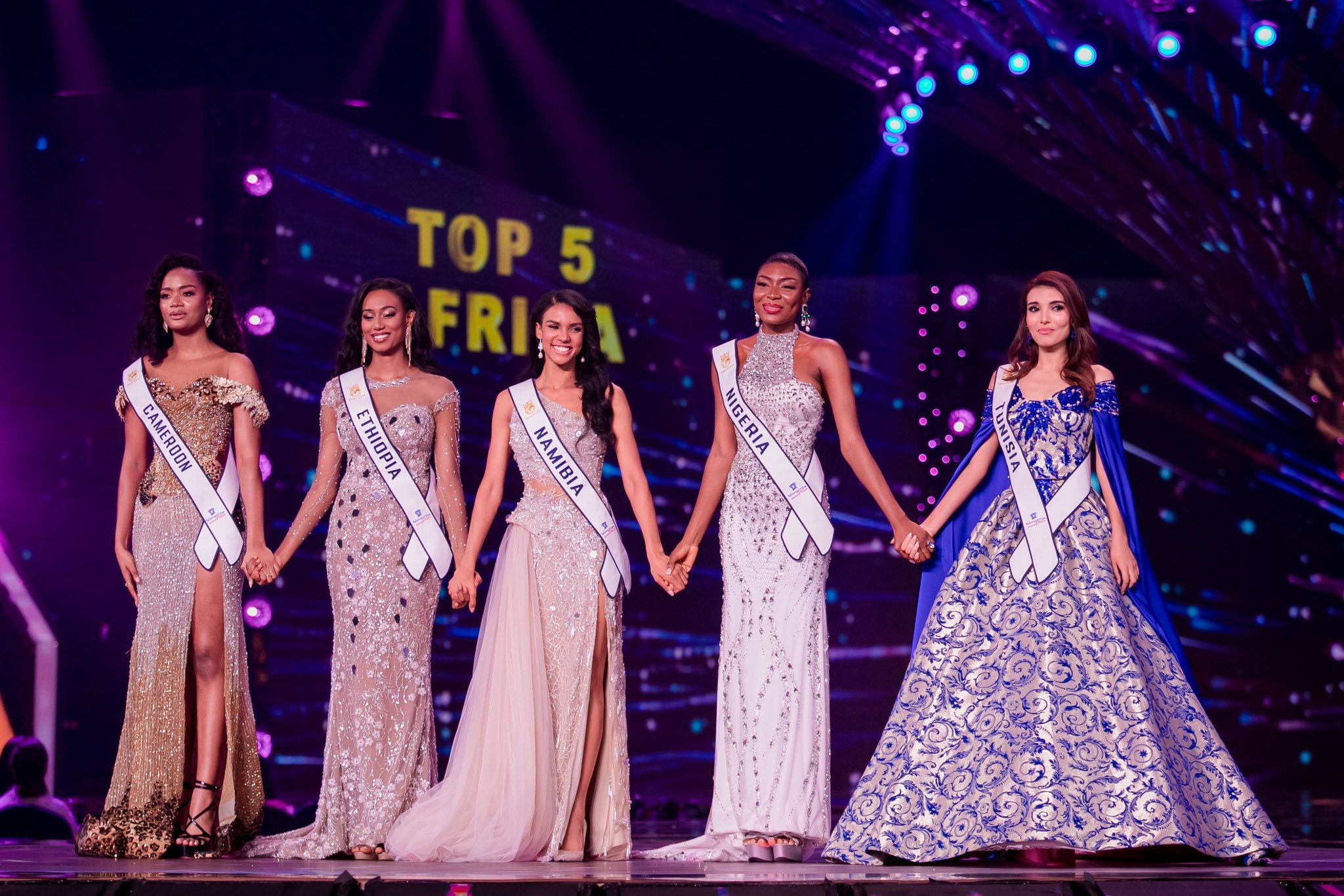
With South Africa out, another fair-skinned African (except from the North) grabbed the spotlight. Tunisia’s Lamis Redissi was a revelation who, unlike her predecessor, didn’t need a Challenge win to finish high. She made Top 20. Also exceeding expectations was Nigeria’s Joy Raimi, who maintained the African giant’s stronghold. And, then, there’s the crossover from Cameroon, Issie Princesse, who at least equaled her Miss Universe finish.

From the start, vindication was already set in stone for Namibia’s Selma Kamanya, who secured her slot through Top Model. As she eased into Top Eight, the continental title seemed up for grabs, and for a moment there, it felt like she could even make a play for the crown. But then, judges are known to occasionally favor unassuming charisma over overcooked answers. So, in another shocker, a relative underdog topped the region instead.

But it’s not like Ethiopia’s Hasset Dereje Admassu came out of nowhere, as she did make a splash in both Sports and Talent. It’s just that she simply wasn’t on most lists, more so with other contenders enjoying the mileage. But it ultimately goes to show that we never know what the judges would see. So, the chemical engineering student charmed her way to the top with her humility and unassuming beauty. It’s like she took the stage with no battle plan and just looked surprised throughout. And sometimes, that works, especially when everyone else is crown-hungry. It was her gratitude which likely won the panel over. Thus, she obtained both her country’s first continental win and its highest-ever finish. She was the overall 1st Runner-Up.
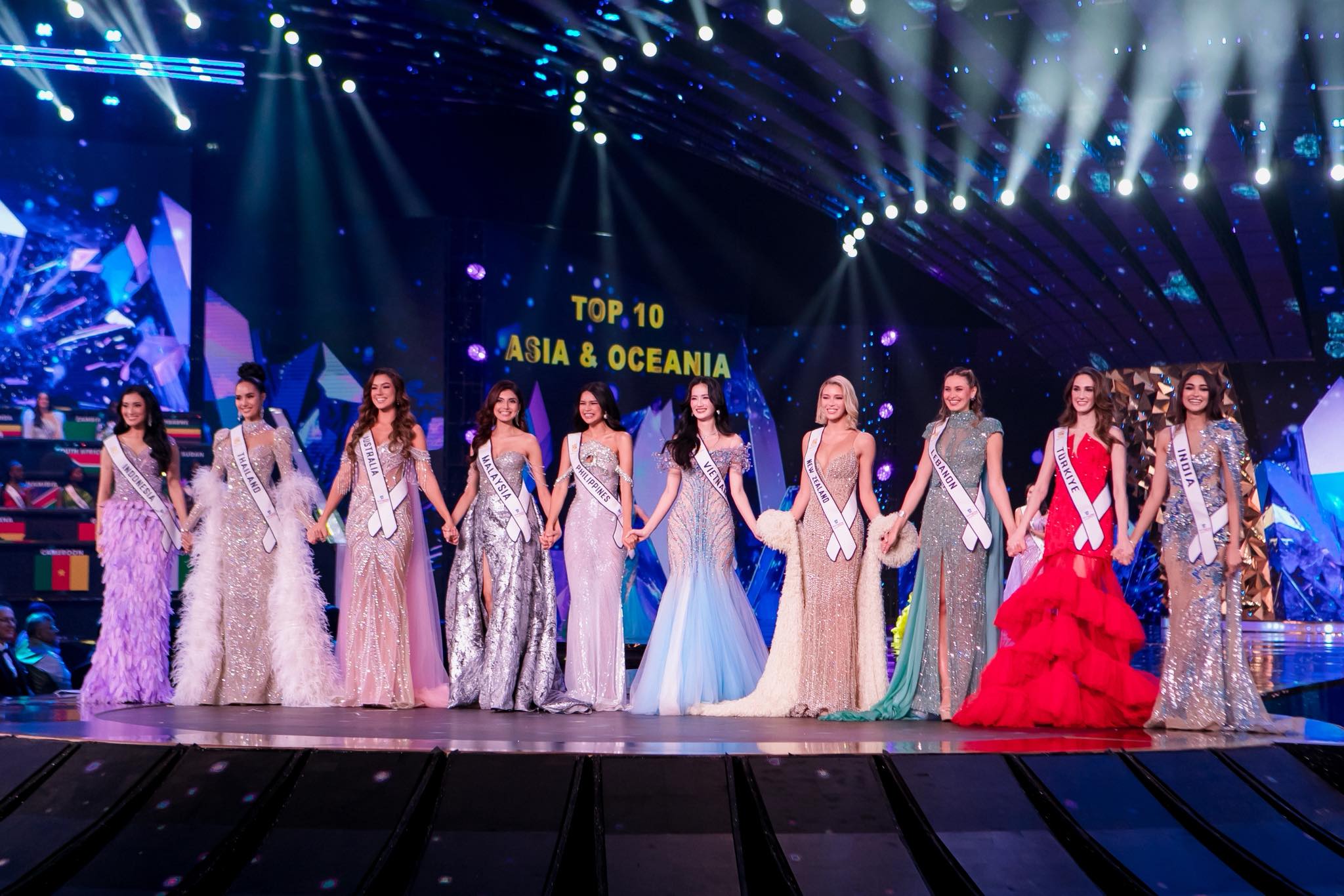
ASIAN BLOODBATH. With majority of Asia and Oceania figuring in the Challenges at least once, there were no puzzling choices, even with Sri Lanka’s Anudi Gunasekara presumably crowded out. Even the biggest surprise, Türkiye’s Idil Belgen, made it in as Head to Head winner, and there was no doubt Malaysia’s Saroop Roshi and Vietnam’s Huynh Tran Y Nhi would defend their countries’ streaks.It really was a solid group. So solid, in fact, that early frontrunners had to settle with Top 40, like New Zealand’s Samantha Poole who,at one point, seemed to be Oceania’s frontrunner, and Indonesia’s Monika Sembiring. Prior to that night,the double Challenge winner seemed poised to give Miss World-Asia a shot, more so when she was declared overall BWAP champ. But with her shock exit, a pattern seemed to emerge. The threats were being eliminated early. Threats to whom, you ask? Well, look no further than this continent.
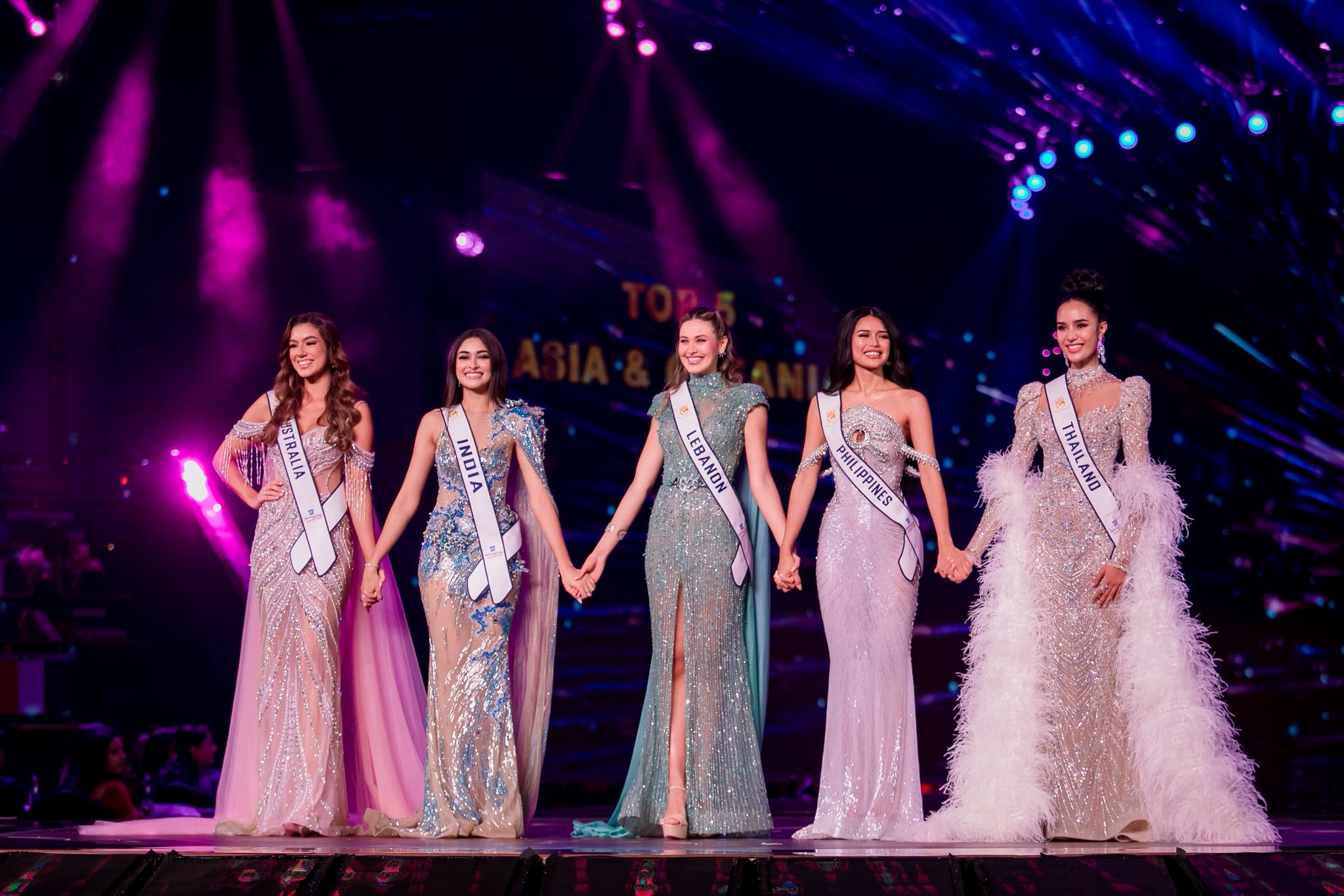
Come Top 20, more contenders were bound to face the axe, including India’s Nandini Gupta, who could only gain so much from home court advantage. On the bright side, it was an achievement unlocked for Lebanon’s Nada Koussa who, just like her predecessor, improved on her Miss Universe standing.

And with Australia’s Jasmine Stringer overcoming her Kiwi threat, she was instantly Miss World-Oceania. It was a noteworthy feat, even if she stayed in this tier. That left two heavy contenders in the running.

It’s been opined that, if not for the last-minute entry of a celebrated crossover, the Philippines’ Krishnah Gravidez could very well have followed Megan Young’s footsteps. But, let’s face it. With no country winning twice since 2008, the odds were always steep. Nevertheless, hopes remained high, as she bested both her closest friends in the contest: her roommate and the host delegate.
Given this edition’s brutal regional format, Top Eight was as far as she could get, despite giving her best interview response in her pageant career. It was tough, given how her Indochinese neighbor was also heavily in contention and the rules allowed only one Asian in the final showdown.
On the upside, the consolatory honors didn’t take too long, as she “inherited” the Miss World Asia title hours later. And with CJ Opiaza inheriting the Miss Grand International crown days after, it was still a fruitful week for both ALV Pageant Circle and the archipelago.
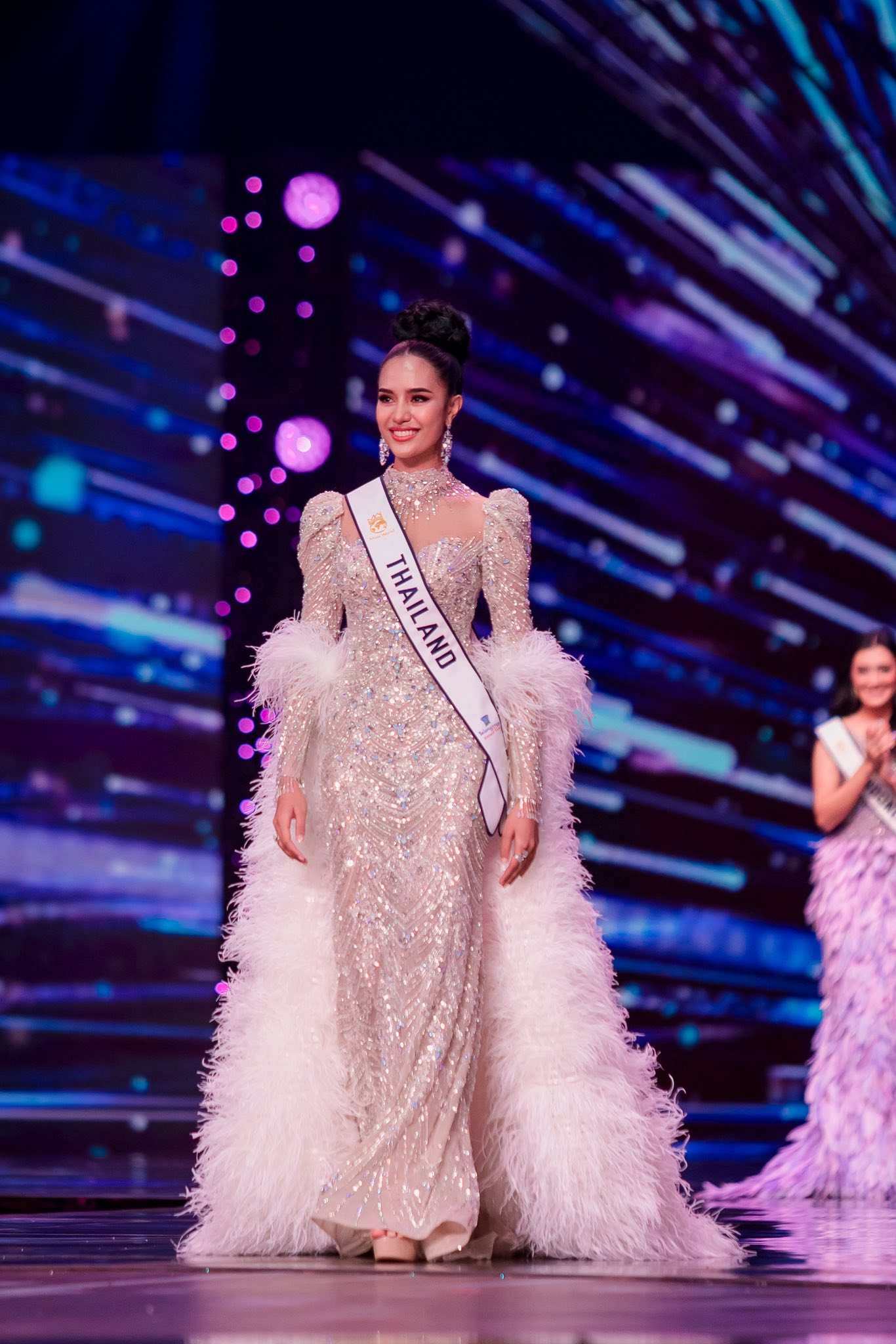
PERFECT THAI-MING. It was a leap of faith on many counts for Thailand’s TPN Global Co., Ltd., which lost itsMiss Universelicense a few months prior, only to bounce back by acquiring the rights here. But it was an even bigger gamble for Opal Suchata Chuangsri, who less than a year ago, was still technically MU’s 3rd Runner-Up. It’s no secret how all that panned out.
With her surprise appointment, it felt like it could only go one way. That way was up. And what fans saw was a more relaxed and more assured Opal, who breezed through her Telangana journey with regal calm. And even with other contenders topping lists from time to time, she remained unfazed and continued channeling a winner. Being a cancer survivor who tirelessly advocates for fellow patients, she was clearly on-brand.
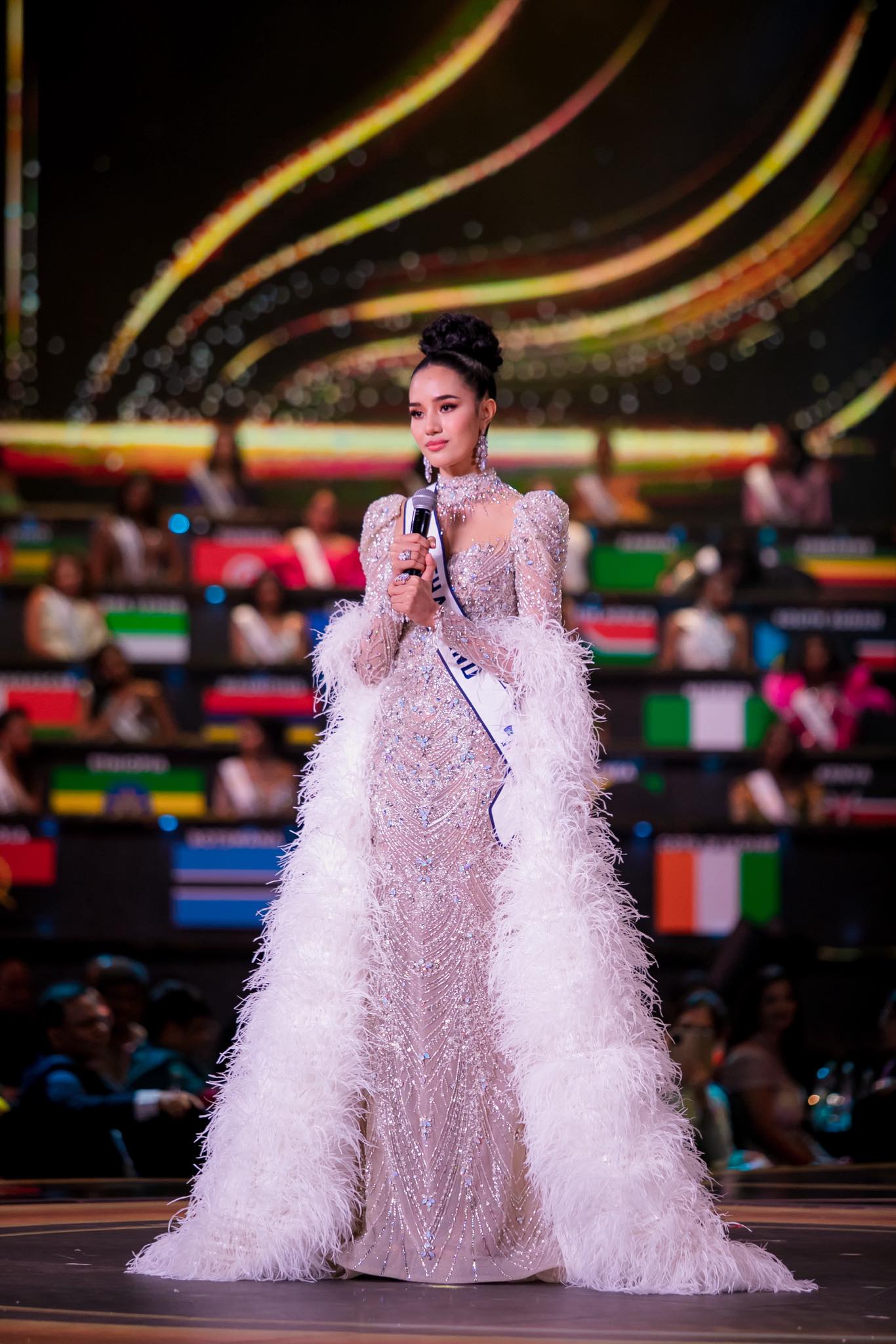
With surprising choices dominating the Final Four, vindication felt even more imminent. And as Opal took the mic one last time, she emphasized the value of “being the person who all of the people in our lives look up to” and leading with gracefulness and actions. In the end, it wasn’t so much about the content of her response, but with the aura she emanated throughout. At that juncture, it already was a no-brainer. The Kingdom of Thailand has earned its milestone.
It truly was a matter of time for the country, which only scored one placement per decade since its 1960s and only started gaining better traction in 2010. And as Nicolene Limsnukan scored their then-highest finish in 2018, it was clear that eyes were finally on them. Not even their 2021 absence and 2023/4 non-placement could prevent the inevitable.

To a nation whose enthusiasm equals our own, Opal’s win feels like finding the lost puzzle piece. Moreover, it welcomed a new era, with the franchise gaining a world of a fanbase and its Instagram follower count surpassing the million mark. More than an overdue feat, it’s a brilliant strategy, especially with Southeast Asia now at the forefront of pageant fandom. With more and more new pageants sprouting and claiming prestige by the day, it’s just the invigoration the festival needed.
 Planet Chuckie