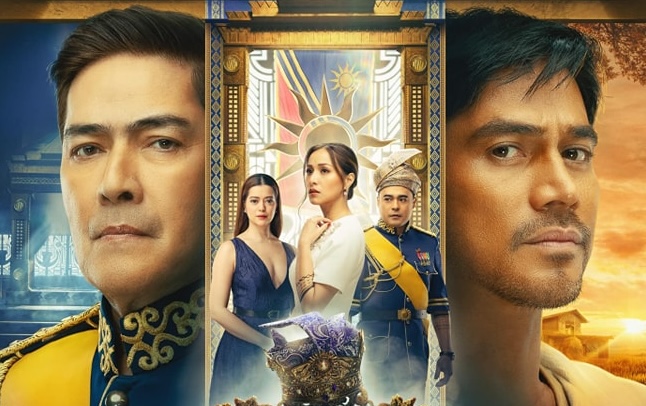
I wasn’t exactly the most immersed in MMFF (Metro Manila Film Festival) before. That changed in 2018, when I landed that social media manager stint in Solar Pictures. Two entries were under their distributorship then. There was the RC de los Reyes romantic comedy Mary, Marry Me, which pitted the Gonzaga sisters against each other for Sam Milby’s affections. Then, and perhaps more notably, there was Joel Lamangan’s Rainbow Sunset, top-billed by screen legends Eddie Garcia, Tony Mabesa, and Gloria Romero.
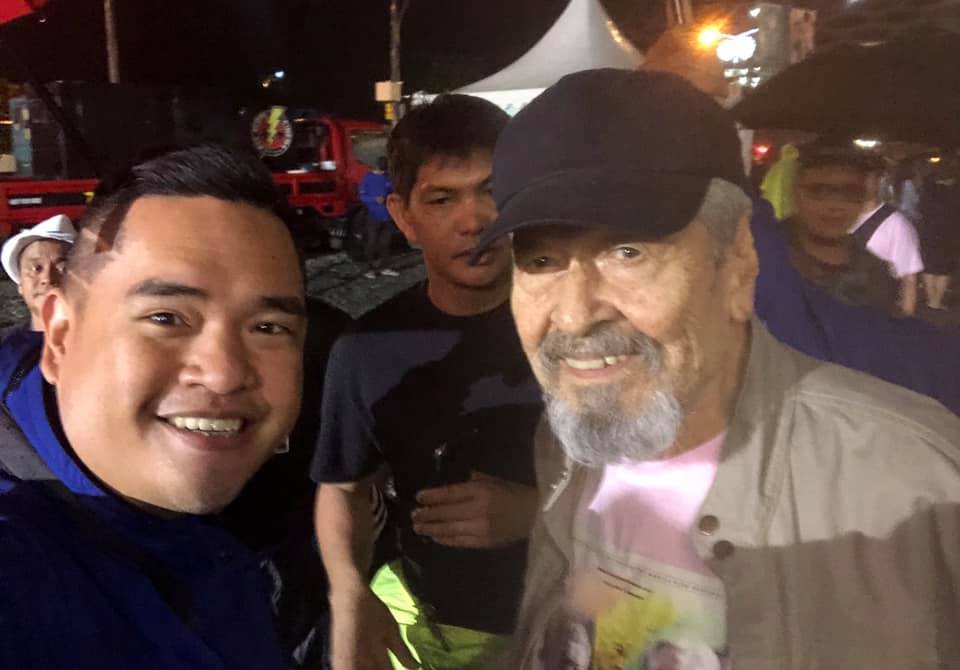
I wish I had better memories of that year’s Parade of Stars. At first, I was thrilled with the embarkation point being 15 minutes away from my house. But Mother Nature being quite the party-pooper, downpours delayed the proceedings and took severe toll on the floats parked on the vast grassy lot near Santana Grove. There couldn’t be a more annoying paradox: the floats, well, sank. So, technically, no parade even took place. With half of the floats still stuck in mud by sundown, the only recourse was to skip to the grand gathering in Aseana City.
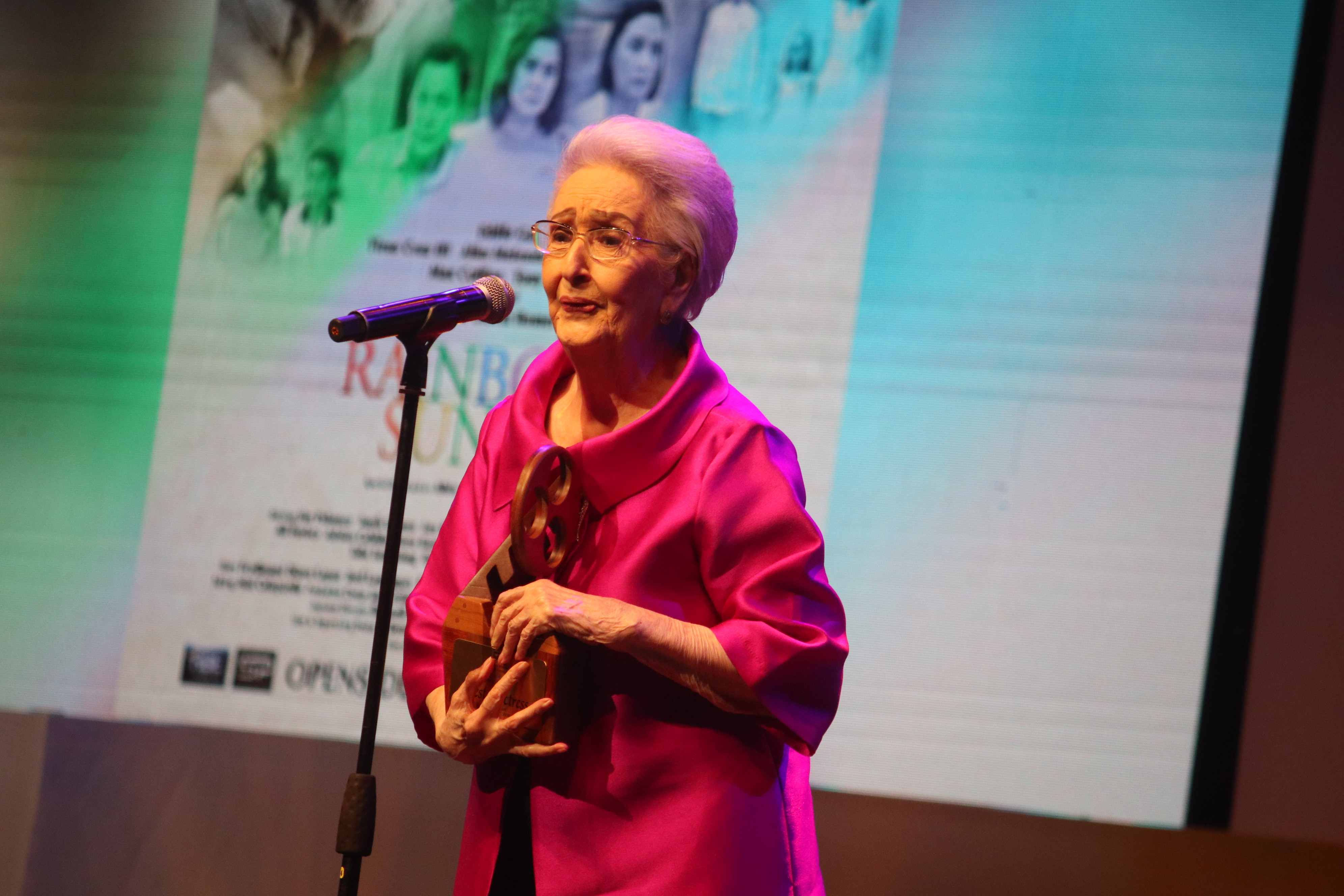
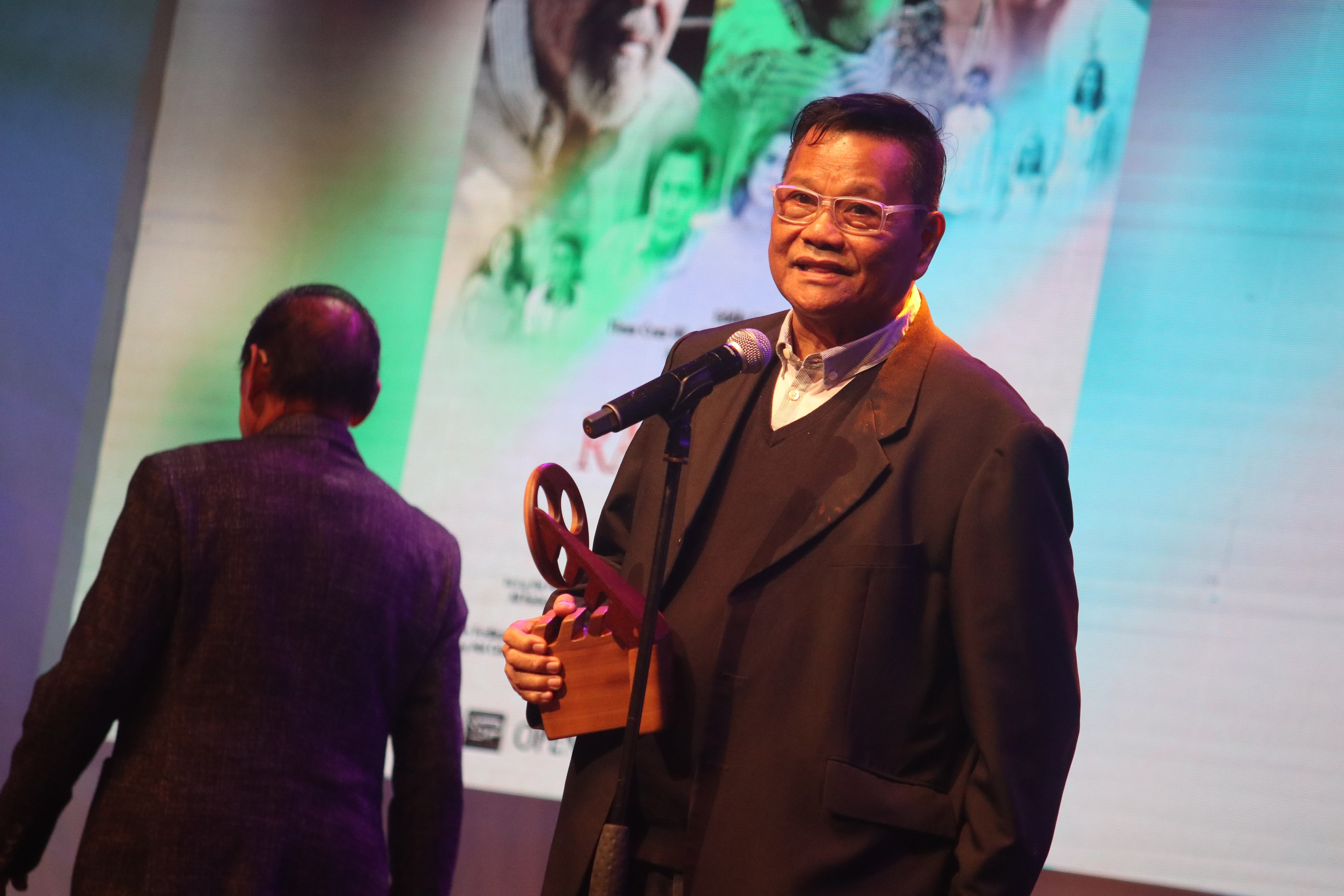
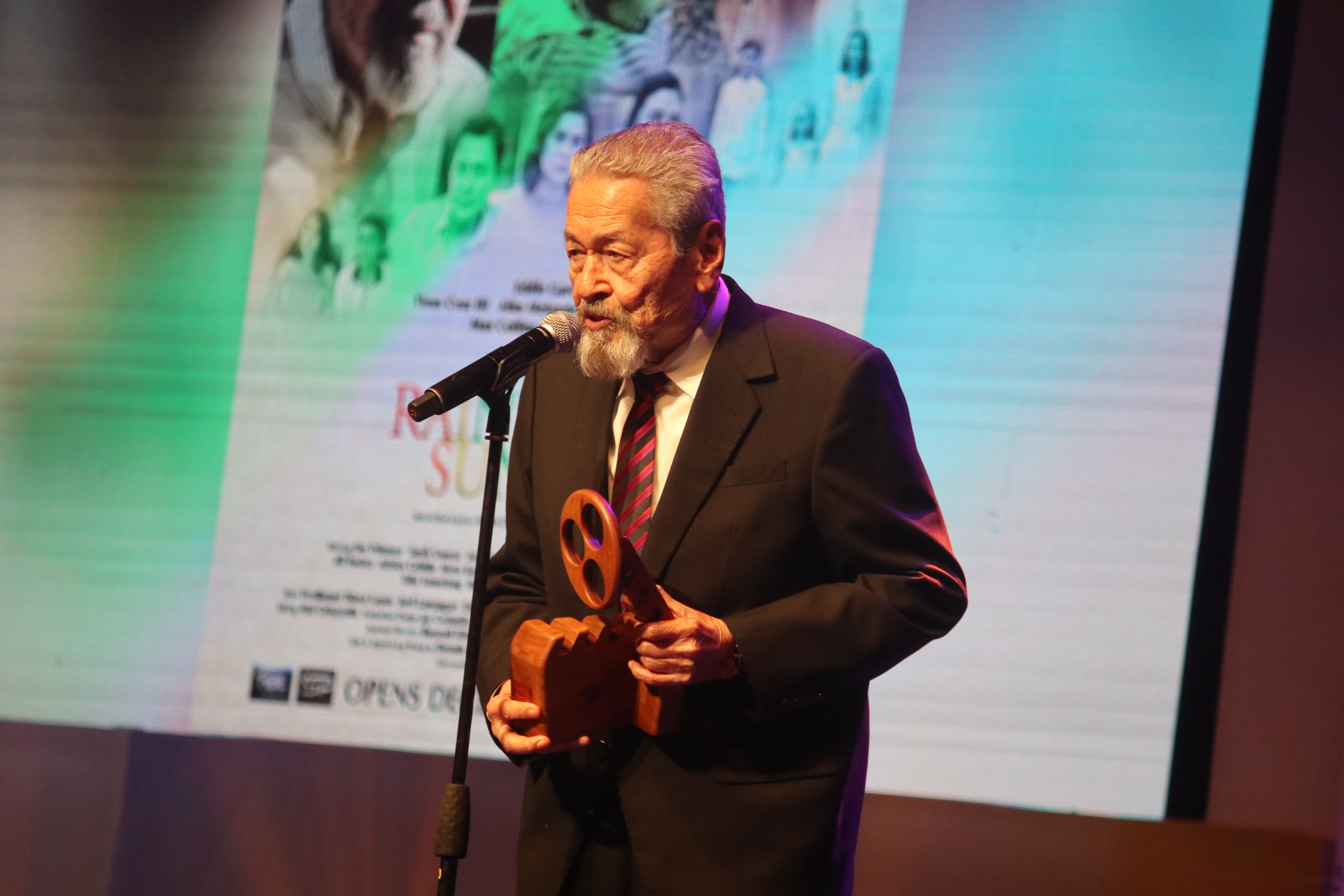
But botched parade aside, the festival proper still commenced. In terms of accolades, Rainbow’s Sunset emerged as the runaway winner, with 11 victories including Best Picture, Best Screenplay, Best Actress (Romero), and Best Supporting Actor (Mabesa). Yet despite taking the Gabi ng Parangal by storm, the film was pulled out from several cinemas midway, which Lamangan had no qualms lamenting in his Best Director victory speech. Sadly, it’s a predicament that continues to persist to this day.
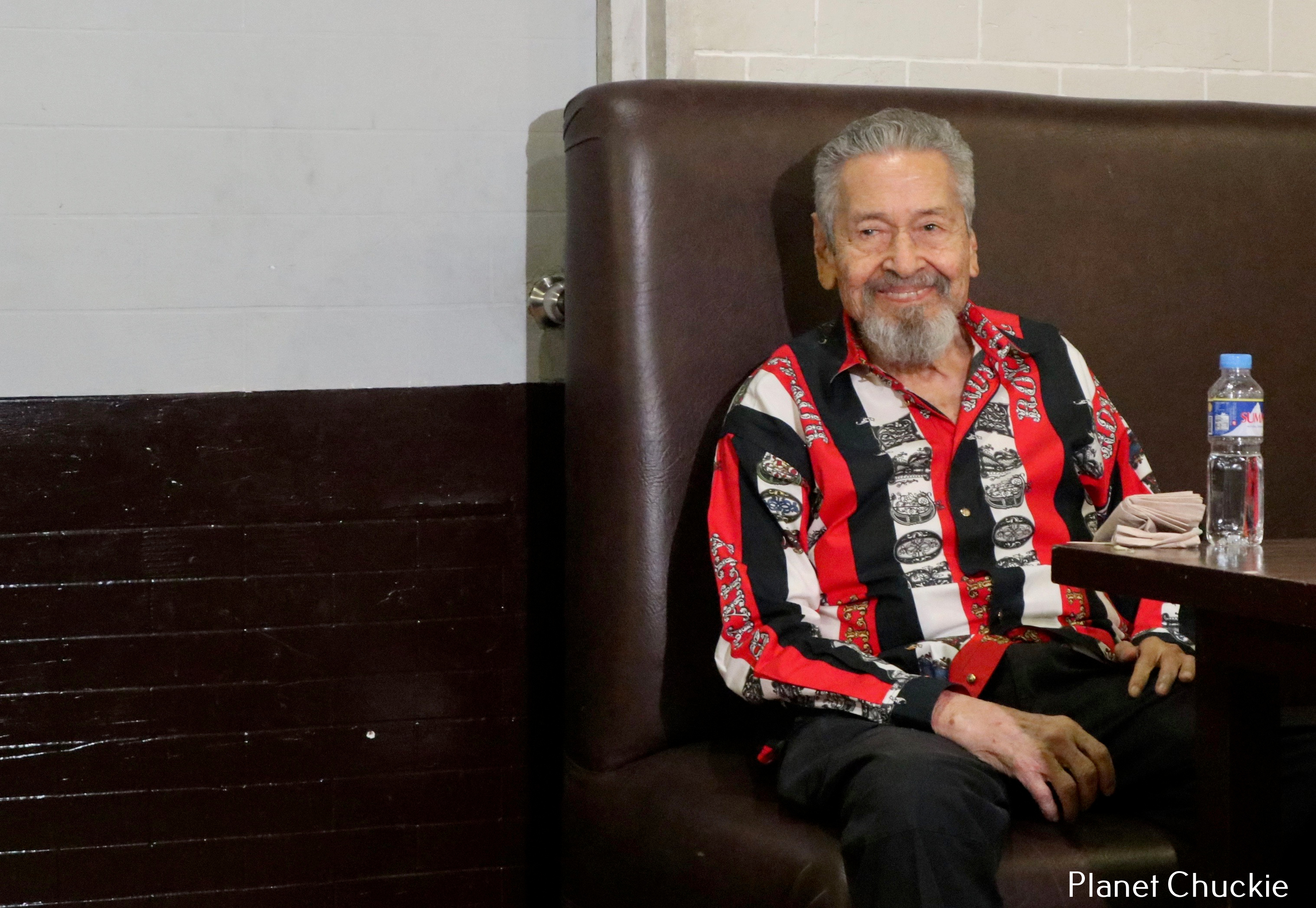
Nevertheless, it was still an eventful run for the Heaven’s Best Entertainment entry. That much they emphasized at their thanksgiving party weeks later. And despite settling with a Special Jury Prize, Eddie Garcia was in jovial spirits, especially when he took the stage to croon an unidentifiable standard. Little did everyone know: Manoy had only six months left on Earth. Mabesa, on the other hand, had 10. Both legends joined the Creator in 2019.
A Timely Return
I remained in that stint until 2020, when COVID19 forced festivals to go virtual, granted they even chose to push through. It took four years for me to mark my return, this time under different circumstances and, not to mention, a different hustle. And how timely, I may add, since it’s the festival’s 50th year.
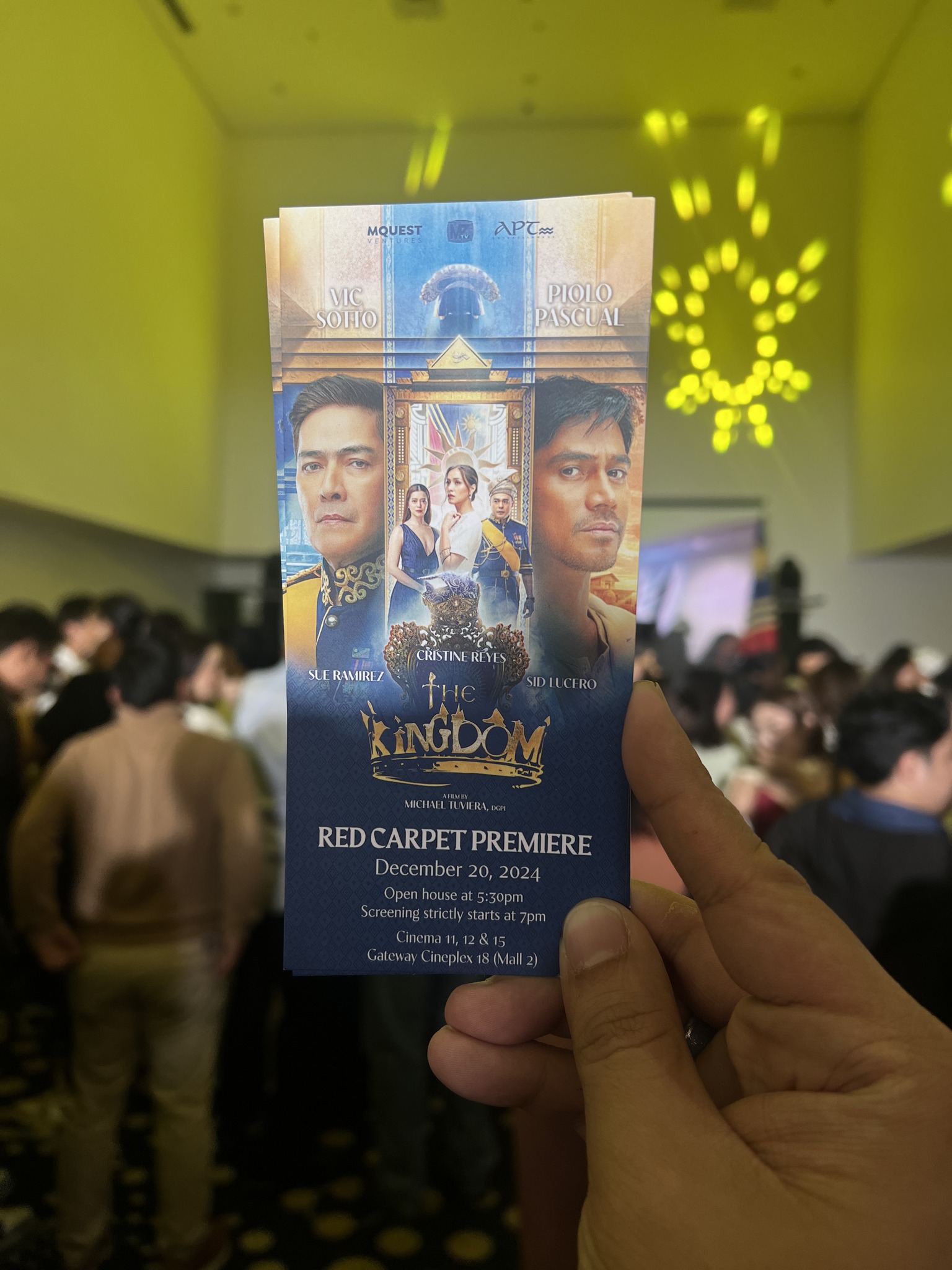
It’s been dubbed one of the strongest line-ups in the festival’s history, if not the single most. Apart from the presence of two-peaters Zig Dulay and Pepe Diokno, we have mainstays taking bold steps in different directions. There’s Aga Muhlach playing an antagonist again after thirty years, a gun-wielding Vilma Santos out for revenge, and then, we have comedy stalwarts crossing over to hard drama. And this is where my shot at a marathon began- with the Red Carpet Screening of Michael Tuviera‘s The Kingdom. It’s the only entry I watched in relation to work.
Tunay Nga Bang Malaya?
This is MQuest Ventures’ second consecutive year in the race. For this go-round, they joined forces with APT Entertainment and MZet Television Productions in tackling some of our nation’s greatest, unspoken what-ifs – that being, what if we never got colonized? Well, for one, the name “Philippines” is certainly out. No Spaniards were around to rename the archipelago and no King Phillip was there to inspire that moniker. What we’re made to witness instead is the fictional greatness that is the Kingdom of Kalayaan. There couldn’t be a more appropriate alternate name. That opening sequence already sets that tone as much. Here, they can actually scare away would-be invaders. But does that fully equate to freedom?
The Kingdom is set in modern times. So, it’s not a history piece as many might be led to believe. Rather, it’s an imaginary epic set in an alternate timeline, one where pre-Magellan customs continue to exist, our flag more closely resembles Namibia’s, and tattoos dictate a person’s stature. But, while accuracy is largely a non-issue, some suspension of disbelief might still be required. For example, why the presence of mestizos and mestizas if Westerners never made it in? And why the interjection of English slang, if Americans never conquered our shores?
Much as the film clearly required thorough world-build, it doesn’t waste time stripping down to its core. It’s not just a high-budget what-if scenario. It’s essentially socio-political commentary, peppered with family drama. Having a patriarch as protagonist already gives that much away.
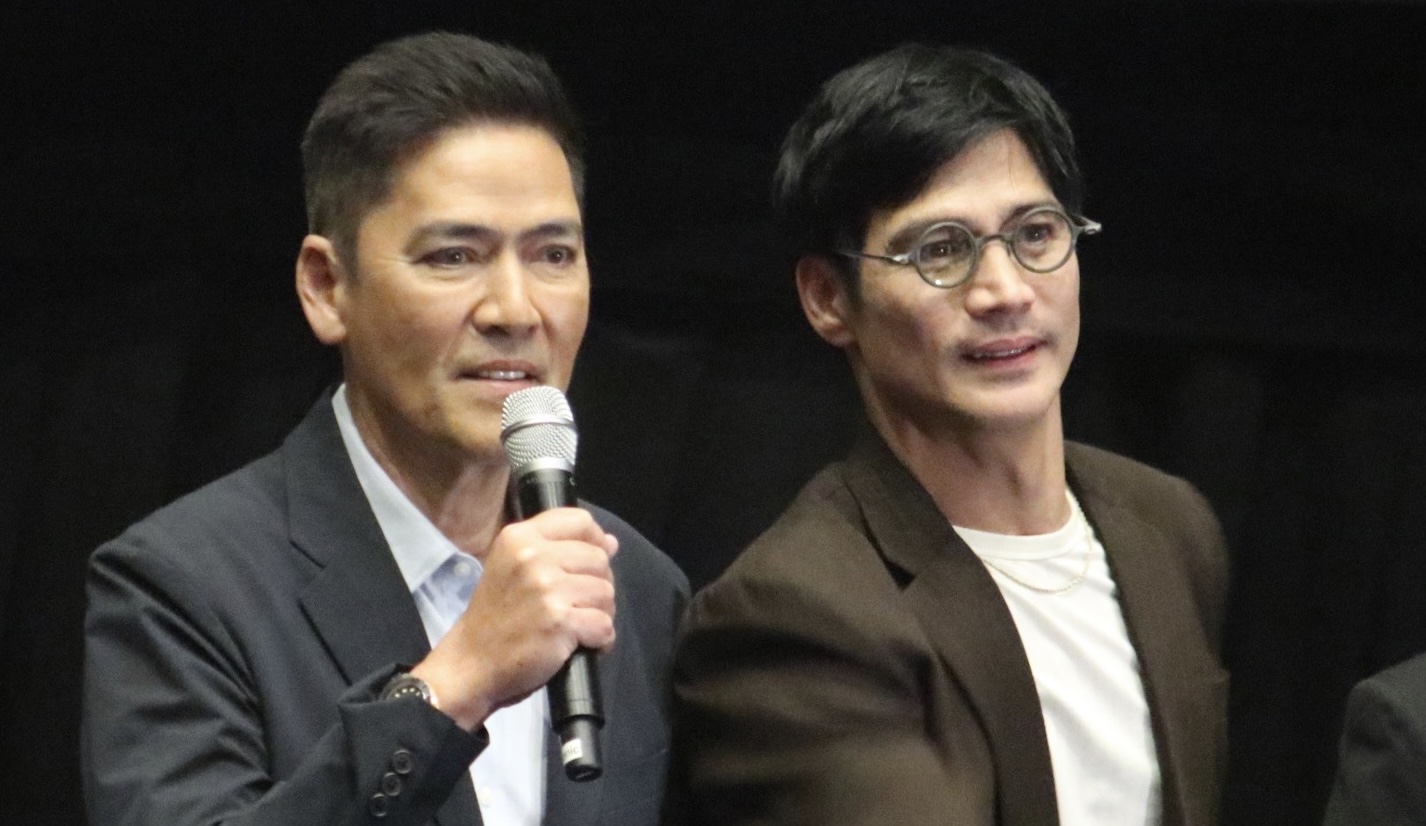
It’s refreshing to see Vic Sotto in a rare, dramatic turn, with neither trace of his TVJ antics nor his trademark acheches. Here, he heads the titular state as Lakan Makisig Nandula, an aging ruler at the twilight of his reign. Lending strong support are his three onscreen would-be successors. There’s Sid Lucero as Magat Bagwis, the hot-tempered only son; Christine Reyes as Dayang Matimyas, the more adept middle child who once eloped with a political rival; and Sue Ramirez as Dayang Lualhati, the sweet-natured youngest daughter set to marry into Thai royalty. And, interestingly, Thailand is the only ASEAN country to never be colonized in real life.
Conflict ensues on Lualhati’s wedding day, when her cavalcade is ambushed en route to the venue, thus leading to her abduction. The incident critically injures Matimyas and traumatizes the royal grandson, Felipe (Zion Cruz of TV5‘s Ang Himala ni Niño). Moreover, it also raises suspicions towards the secessionist troop, the Tiwalag, and compels the palace to spearhead negotiations, led by Bagwis. Sharing further insight is the enigmatic chief babaylan (psychic/priestess), Silayan Hil-Um, played by Ruby Ruiz, whose underlying motives seem hazy.
Luckily, Lualhati is soon intercepted by Sulo (Piolo Pascual), a farmer alienated because of his unmarked skin, among other factors. In the process, it reveals the pariah’s own previous links with the king. Enter last year’s Best Actor, Cedrick Juan, as young Makisig in flashbacks. Now, if only they gave awards for cameos.
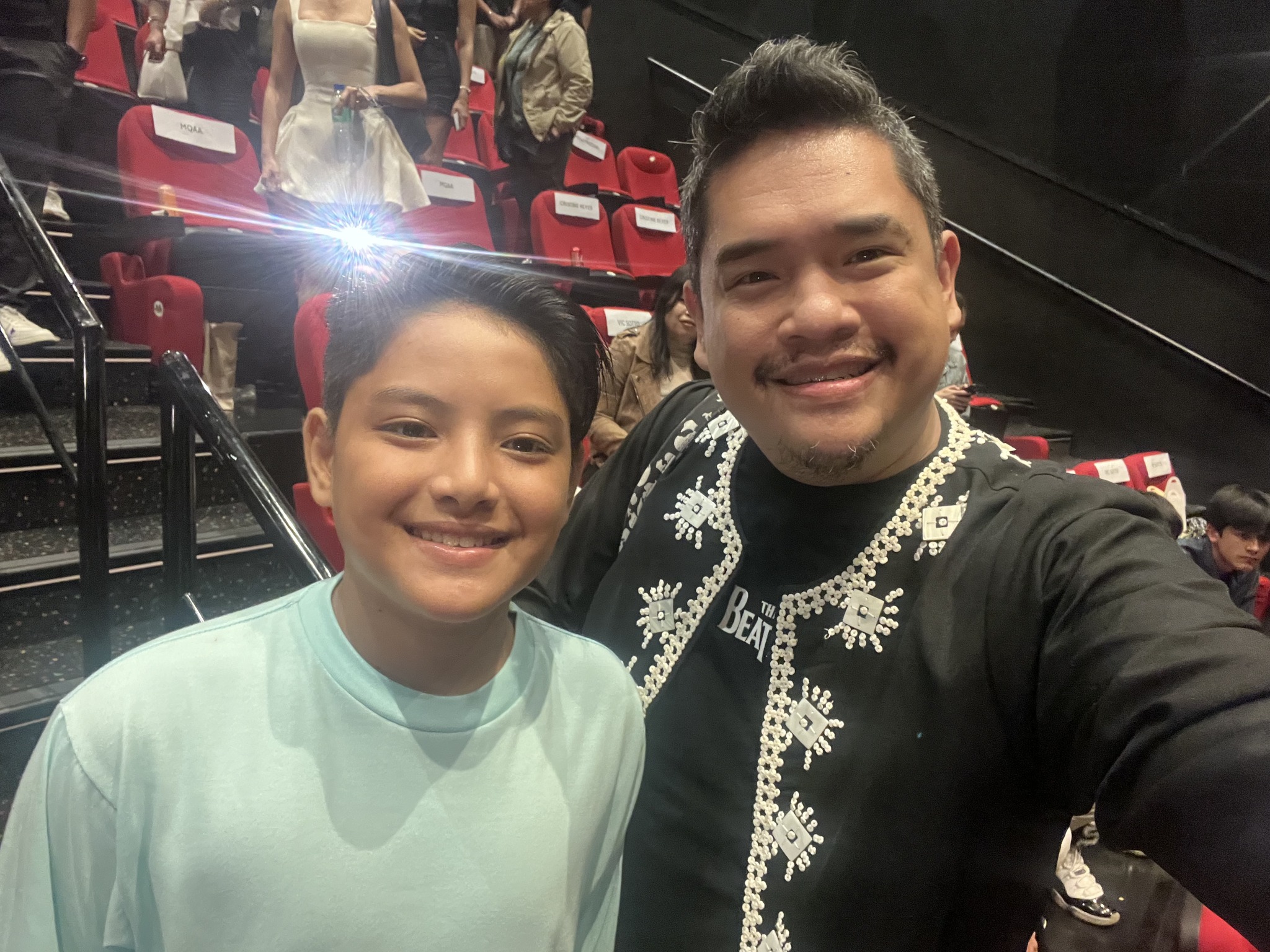
Apart from the lavish visuals and production design, much of the magnitude is drawn from the performances. Piolo’s at the forefront, as expected. It’s his intensity which amplifies the struggles of the unheard. It also raises the question on whether or not age-old customs should still be relevant, given ever-evolving values. Ultimately, the film reminds us that it doesn’t always take an external force to hold us captive. Sometimes, what binds us tends to be from within.
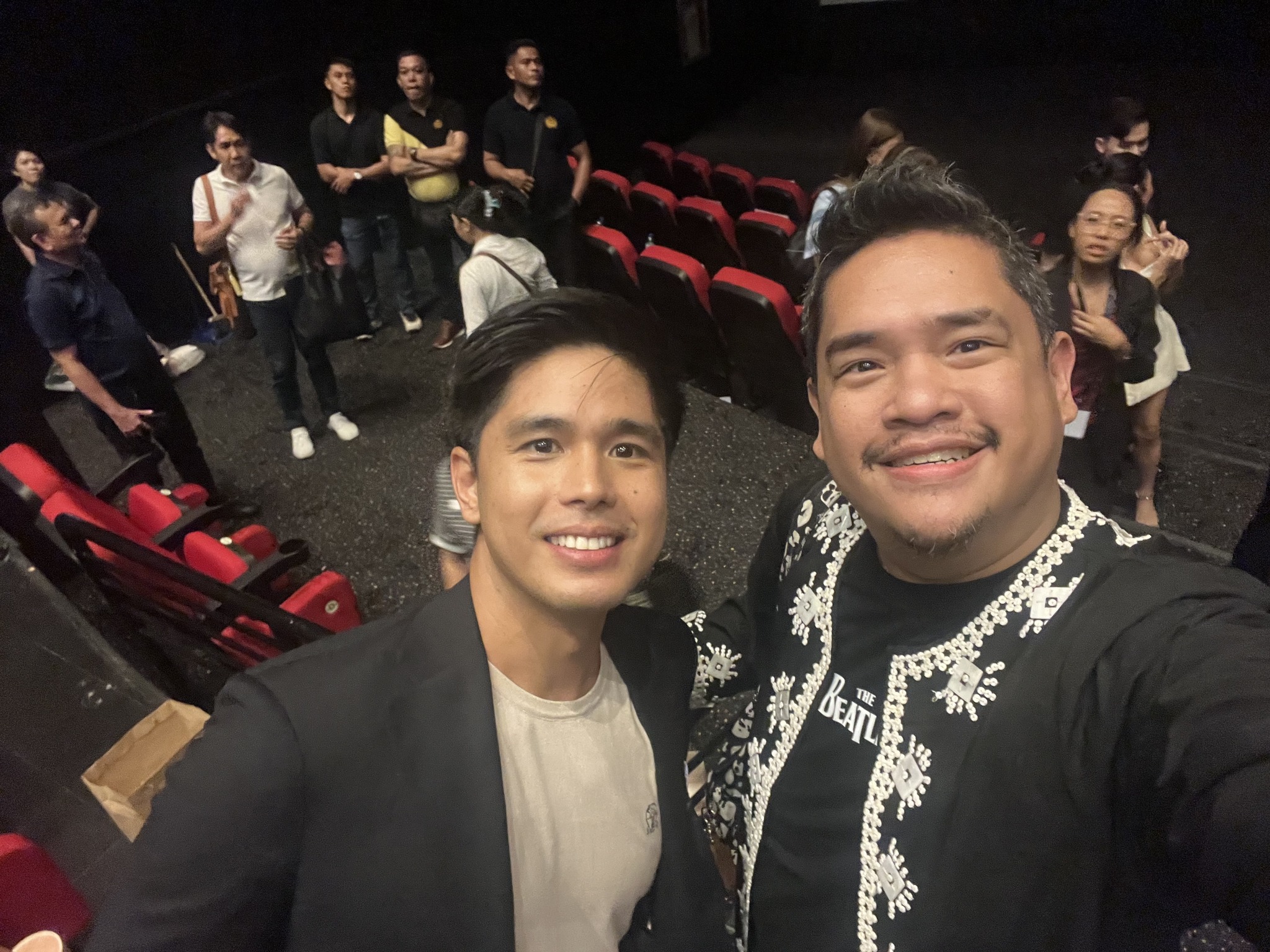
Overall, The Kingdom does succeed in fueling intrigue. I, for one, am curious about how each region would have culturally or politically fared, given the fictionalized conditions. And that’s the essence of world-building. You can’t enjoy LOTR without seeing much of Middle Earth, or Star Wars without touring the planet systems. In this movie’s case, I would have wanted to see more of Katagalogan (Luzon), Kabisayaan (Visayas), and Kamindanawan (Mindanao). It’s a minor quibble, borne out of wanting more and not because something fell short. After all, the fascination is already there. Though, judging from what’s shown at the end, they’re not through telling the story.
The After-Party
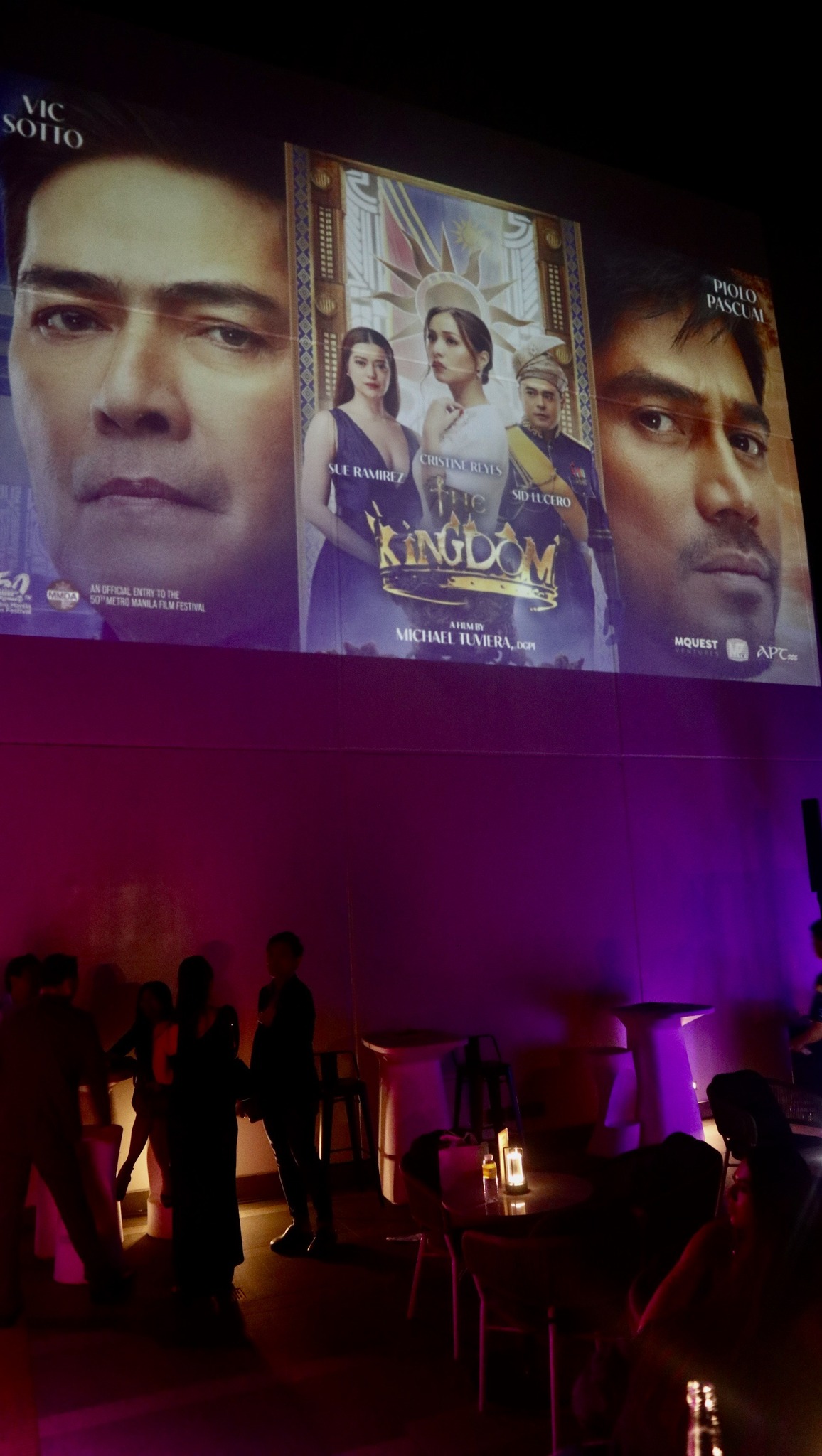
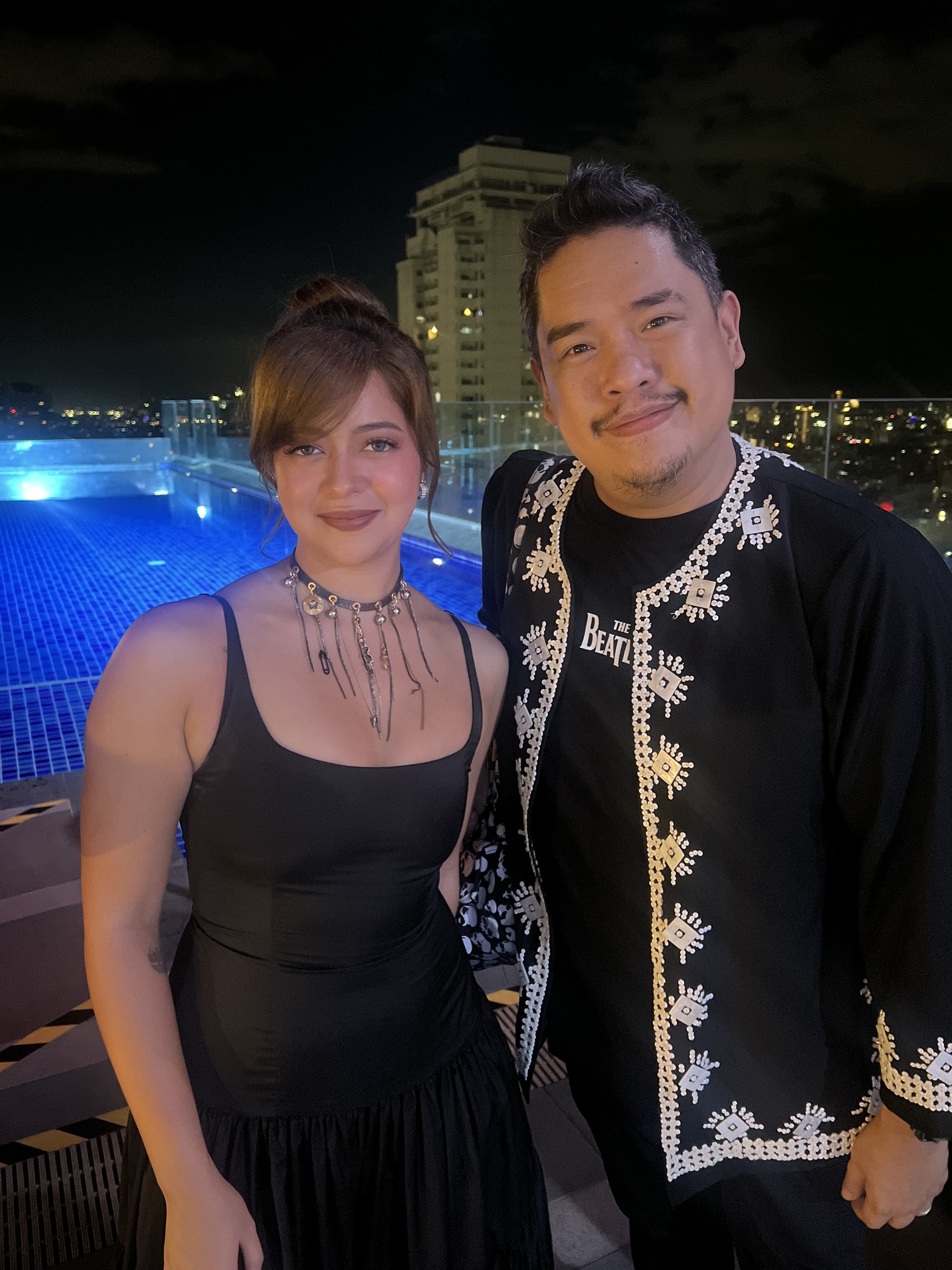
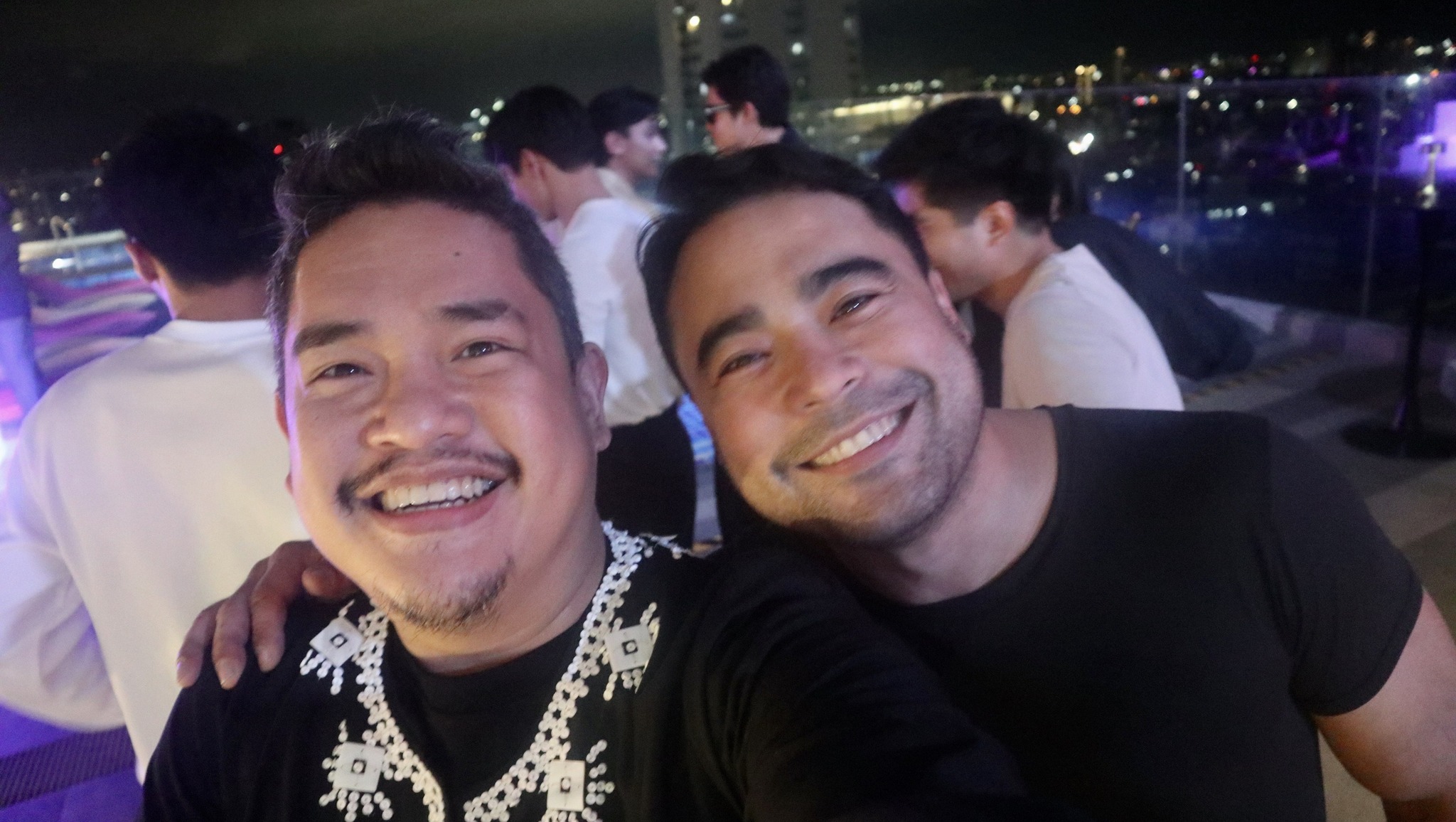
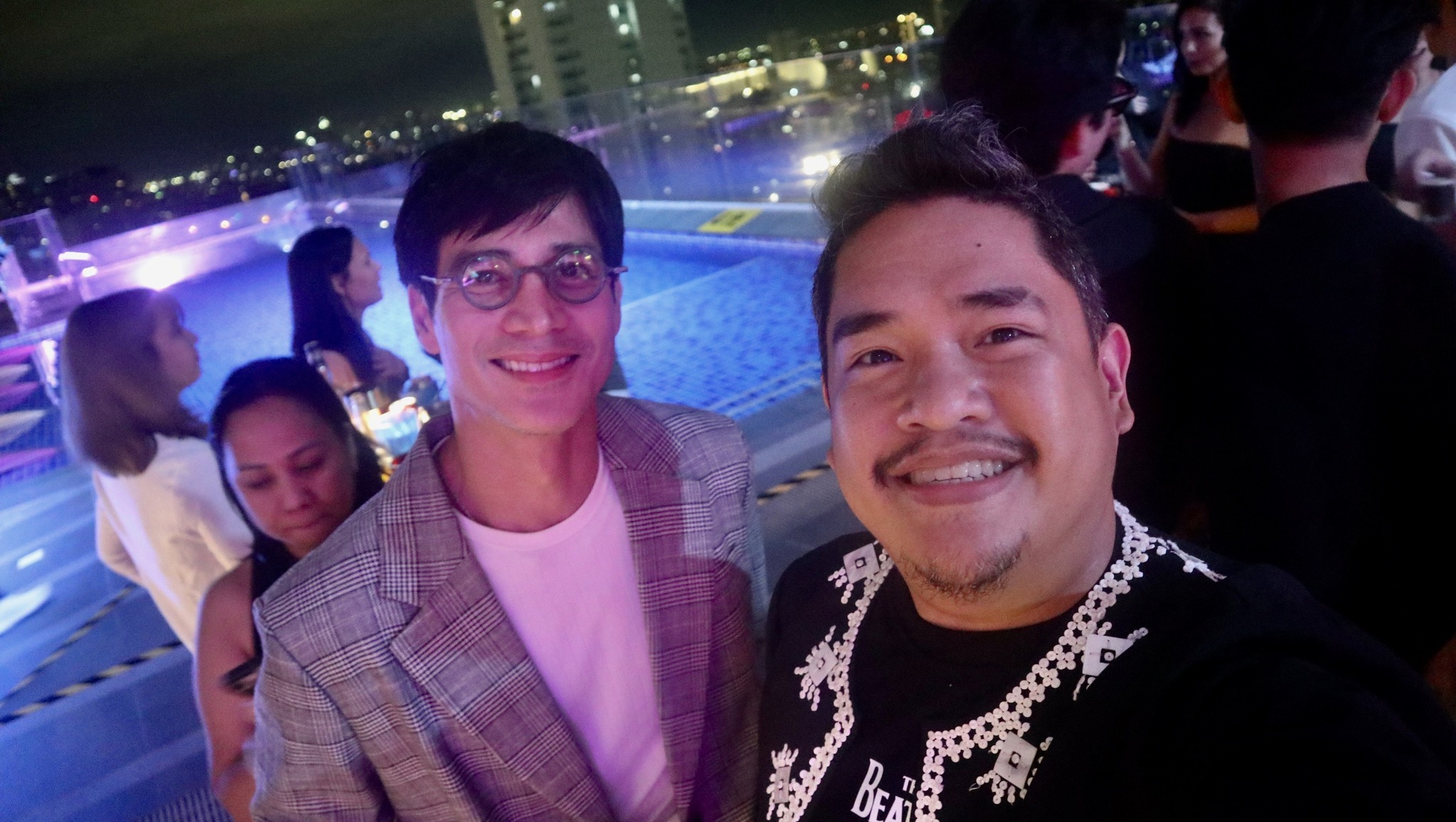
After the screening, I wound up at the adjacent hotel’s rooftop bar. Once again, there was the usual thrill in reuniting with colleagues and meeting the cast, under my Artist Relations mantle.
It wasn’t a long night. Most of the principal actors had to leave early with the Parade of Stars taking place the next day. And as I left the venue myself, there was that familiar, bittersweet feeling. But that’s another story.
To be continued.

