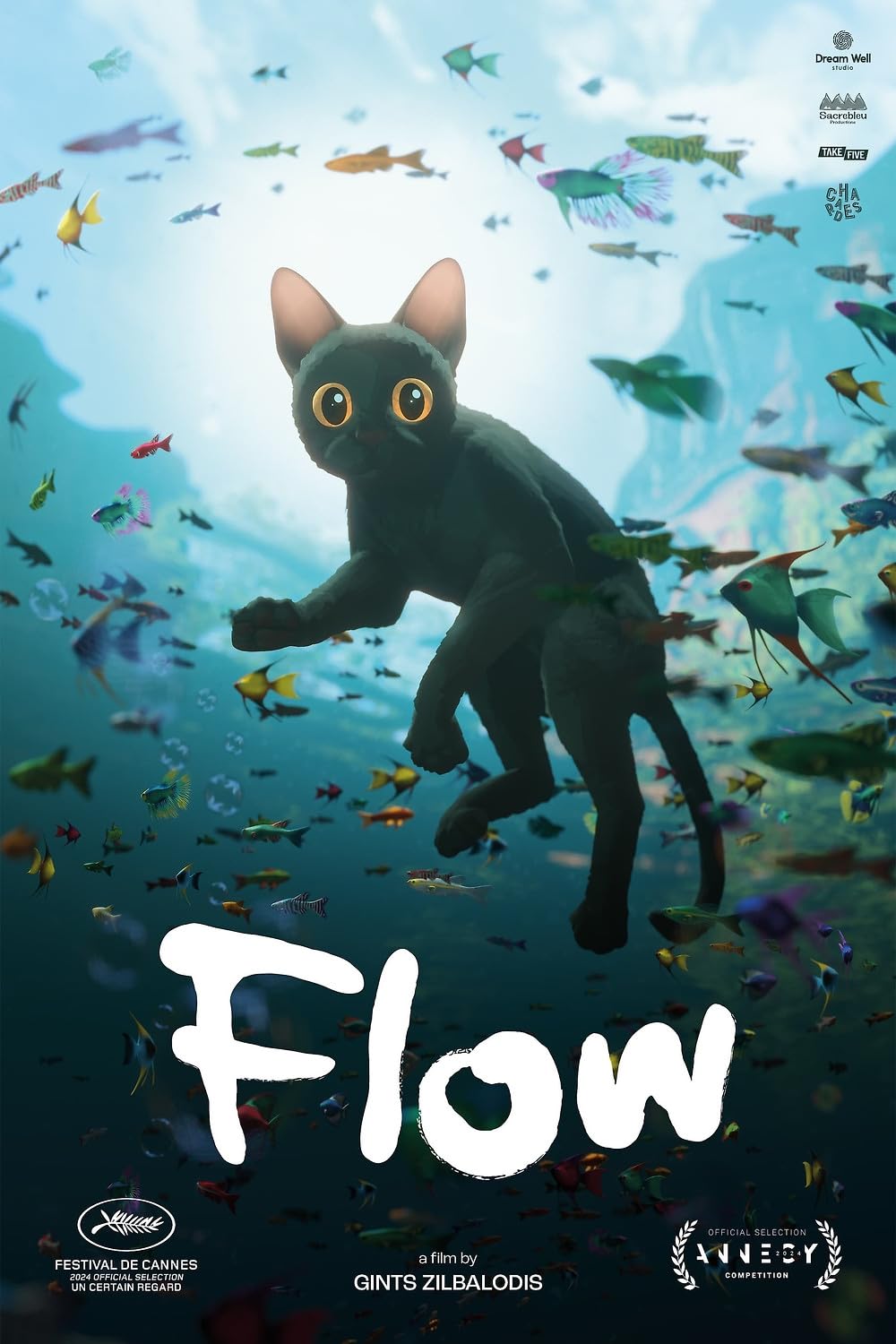

It’s not often that we hear of films so economically made, that no storyboards were used and no scenes had to be deleted. Yet, here we have Latvia’s Straume (English title: Flow), a hit so surprising, it’s now the most viewed movie in the country’s history. And, more significantly, a cat statue now stands in its honor in the capital city of Riga.
This is animator Gints Zilbalodis’ second feature, which meticulously took five years to conceive, despite its apparent simplicity and the non-involvement of human actors. He still needed all the time to perfect his opus. Even though all it largely took was the free and open source software, Blender, and lots of animal research. So, imagine the shoestring budget the team had to work with.
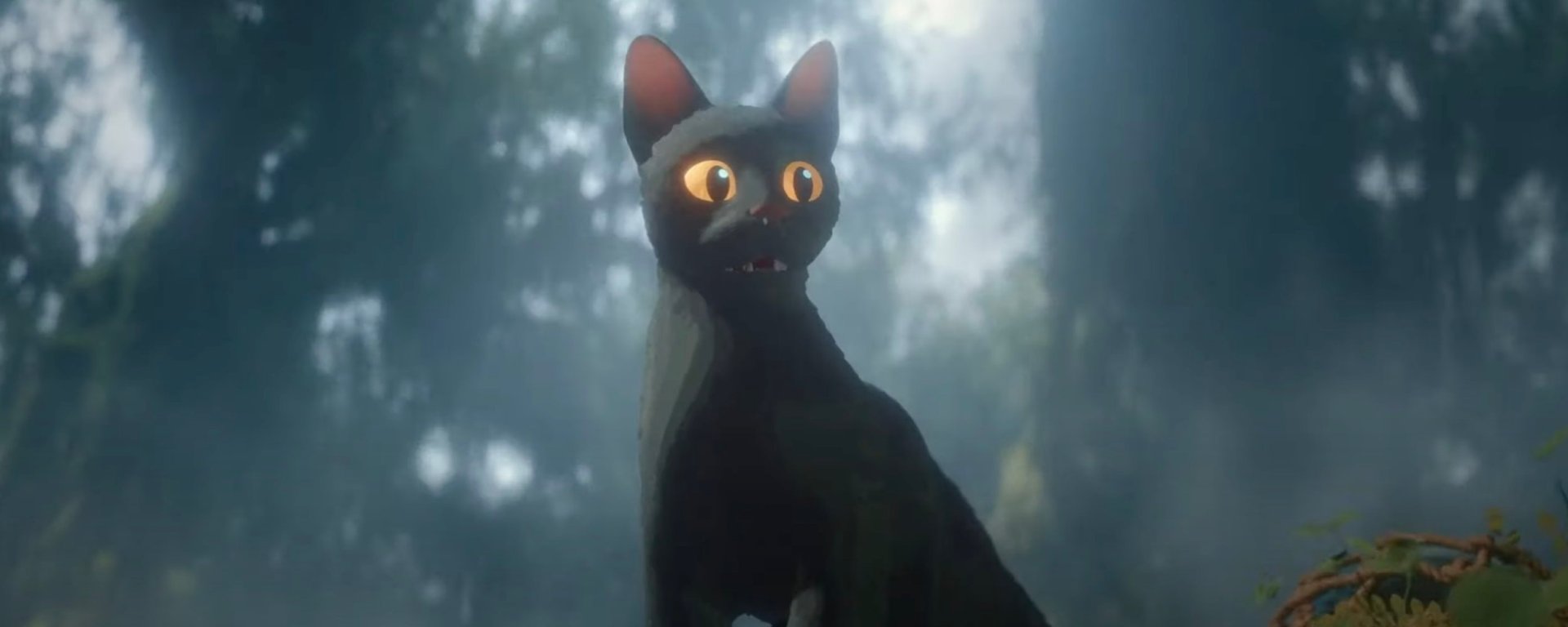
Inspired by the works of Jacques Tati and the anime series Future Boy Conan, this spell-binding tale follows a dark gray nameless Cat. Apart from occasional run-ins with a gang of dogs (of course), it exists blissfully in a post-apocalyptic paradise, populated only by flora and fauna. The absence of humans is never explained, but there are at least traces. To be specific, who else could have produced the cat-themed artwork scattered all around the cottage, where the Cat resides? When a sudden flood turns its otherwise tranquil world upside down, the feline is forced to evacuate. Suddenly homeless, it must now resort to every means to survive. That includes being forced to swim.
The setting is intentionally kept vague. The houses and forests look European, but there are Asian-style temples and, perhaps most curiously, prehistoric-looking Whales. Adding to the fun confusion is the intercontinental mix of species who somehow join the adventure. Think Life of Pi minus, well, Pi, and with less menacing animals.
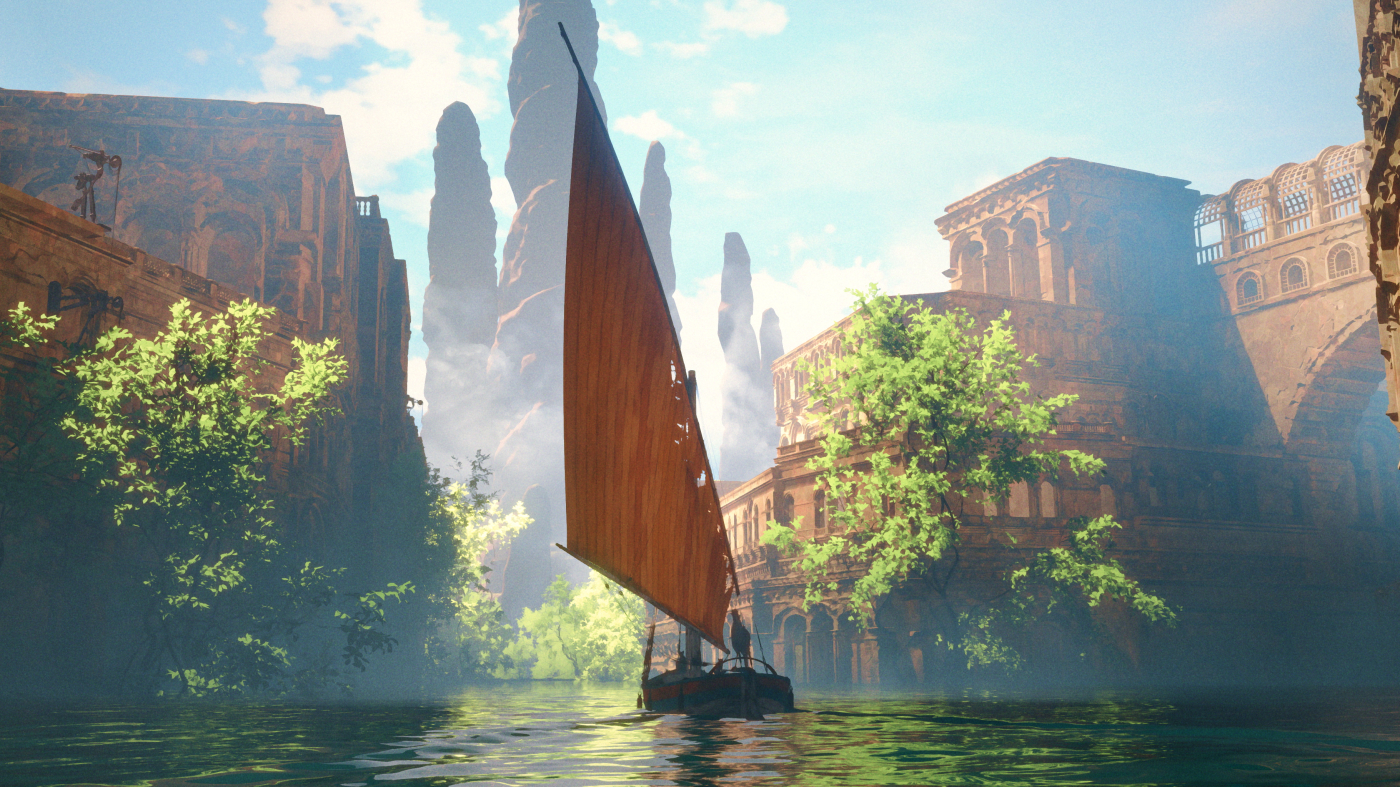
The journey begins with the Cat being rescued by a wayward Capybara on a boat. Along the way, they’re joined by an obsessive Lemur with hoarder tendencies and a good-natured Labrador Retriever from the earlier pooch posse. Completing their motley crew is a proud (but injured) Secretary Bird, banished by its flock and with no recourse but to board the vessel. Its presence adds tension, but at least somebody’s there to stir.
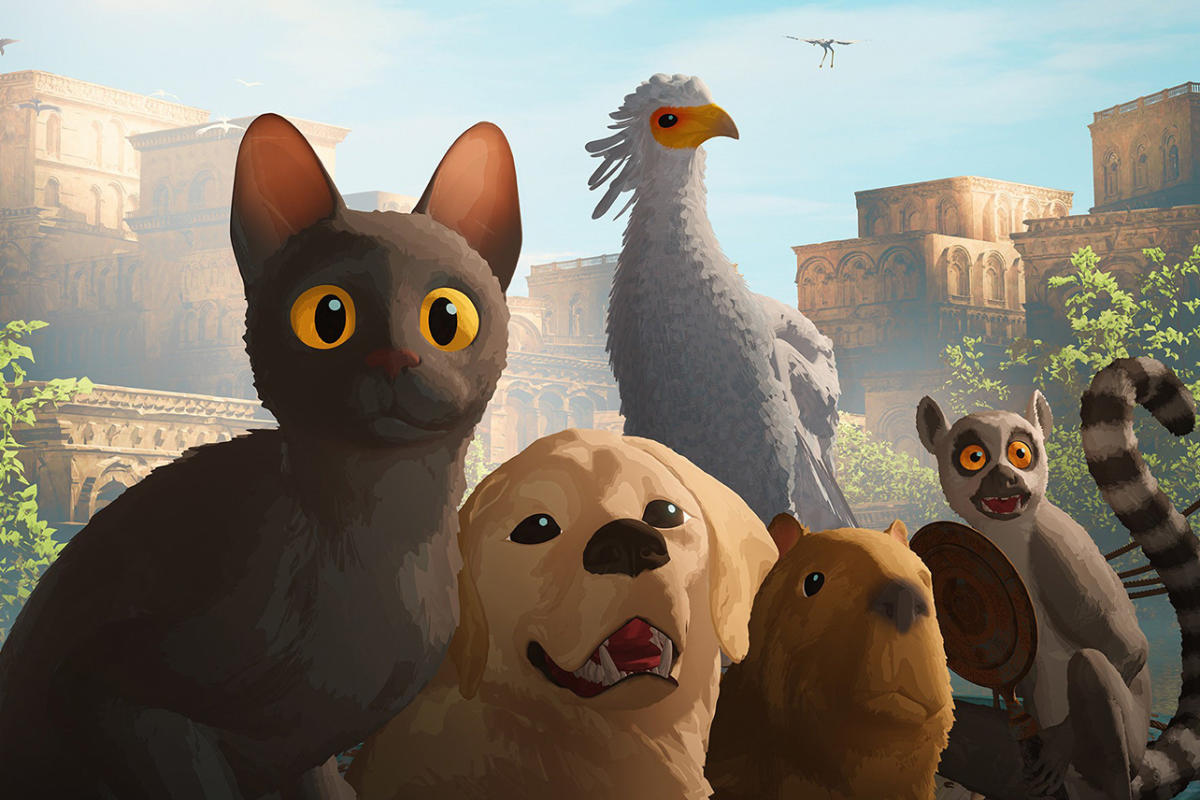
It’s a wise creative call not to gift these critters with speech, with only their expressions providing subtext. It adds mystery to the wonder, when only the faces and circumstances do the talking. Lest we forget, it’s how stories were once told onscreen. It just so happens, this is a more cerebral fable. The message could be either environmental or spiritual.
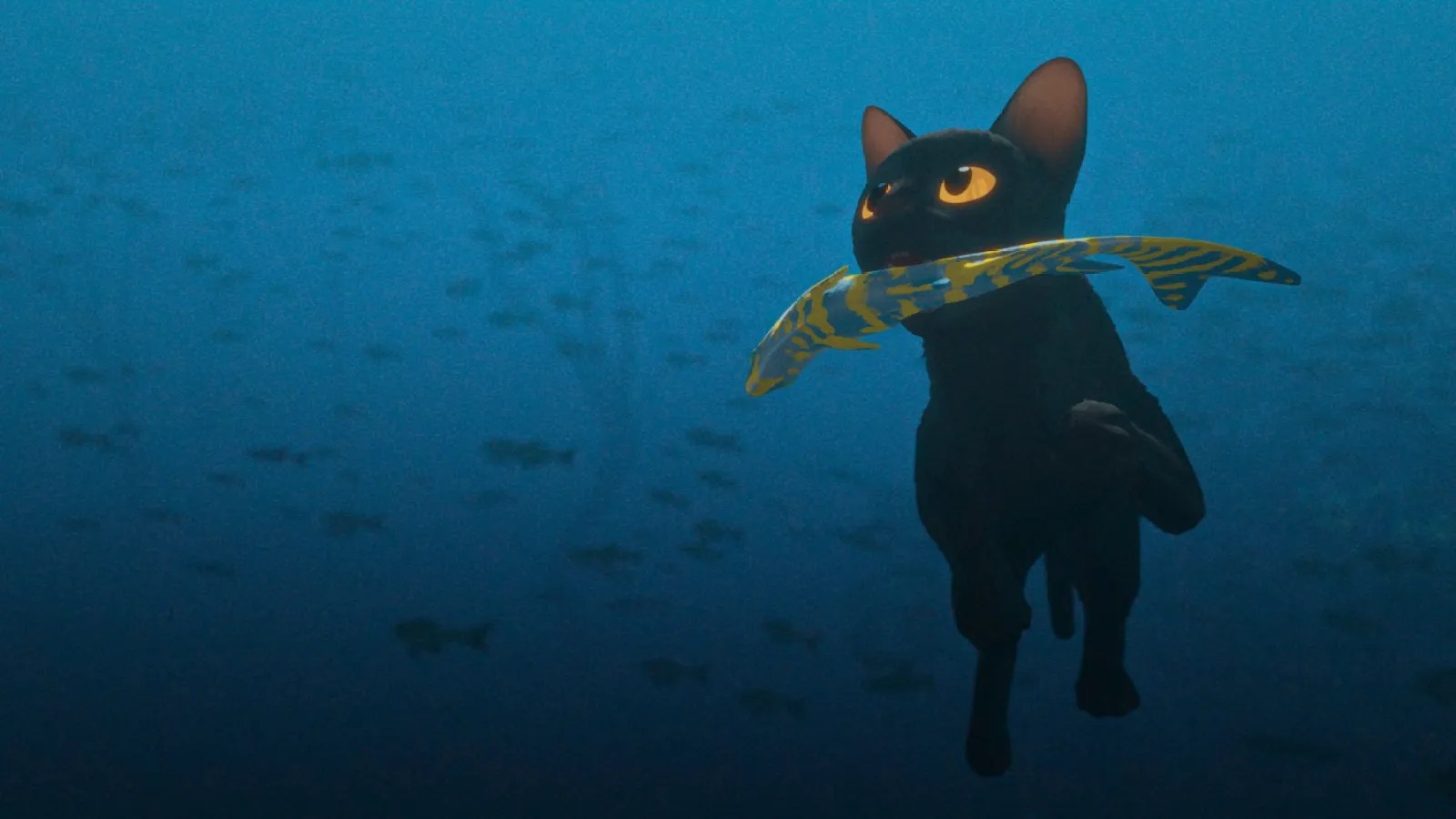
More allegories are hinted as they venture farther. But not to worry. It’s best to stay under the spell on first viewing and save the analysis for the second. It only gets more mesmerizing as the perils mount. As for the Cat, there’s inspiration to spare when it learns to overcome its water-fearing nature and overall defy its physical limits. Everybody loves to see an underdog, or in this case, undercat, stepping up. In the feline’s case, it evolves from aloof wanderer to steadfast leader.
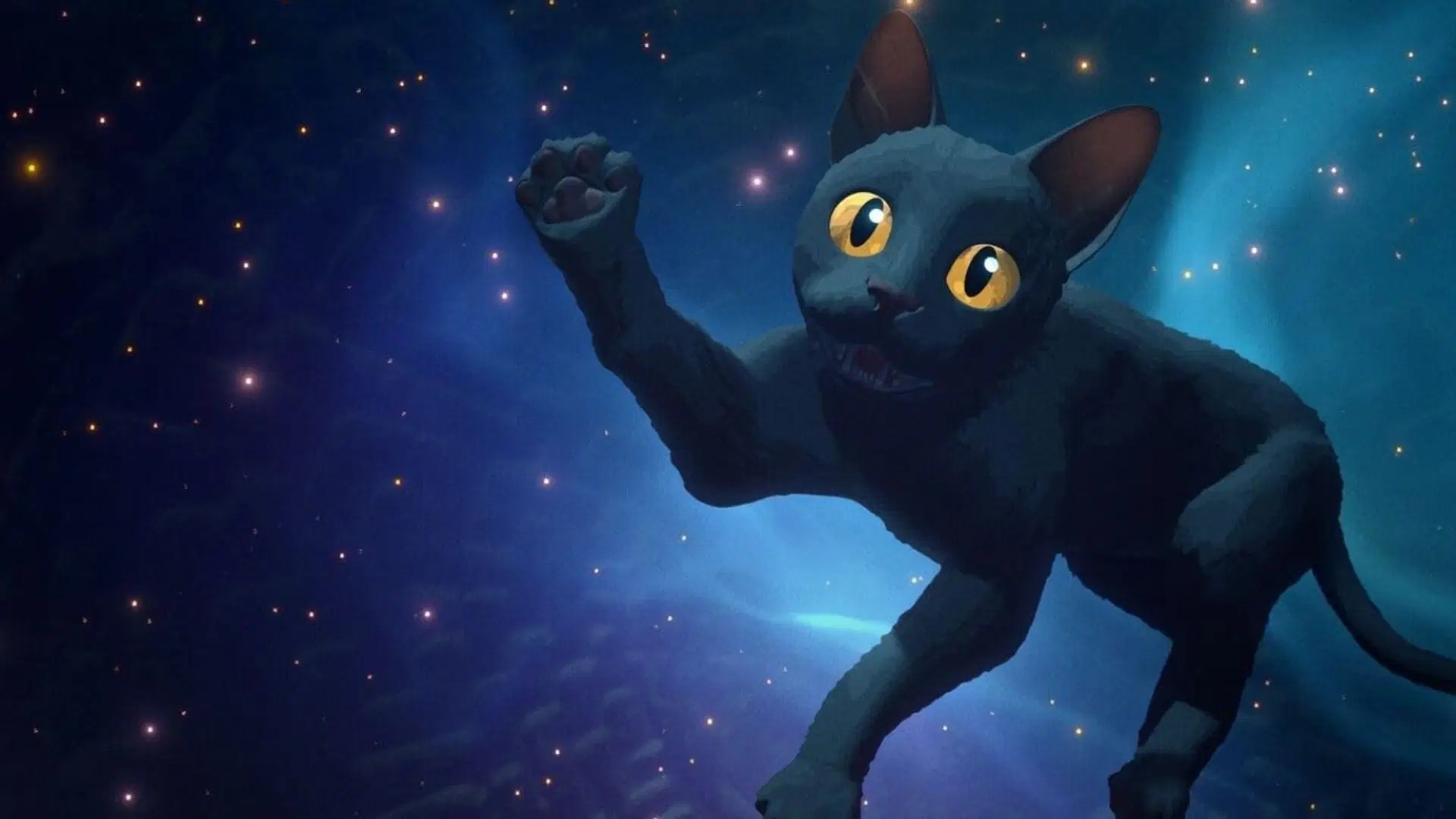
Nothing is made clear towards the end, except, maybe, that the world as they knew it has forever changed. There’s no way to distinguish if the floods vanquished sinners as in Noah’s story or if they a foretell the next global extinction. But, again, the film never begs for scrutiny to begin with. Instead, it only requires us to immerse and, picking up from the English title, just go with it. That’s how this humble little tale leaves its imprint.